


By Haddy Touray
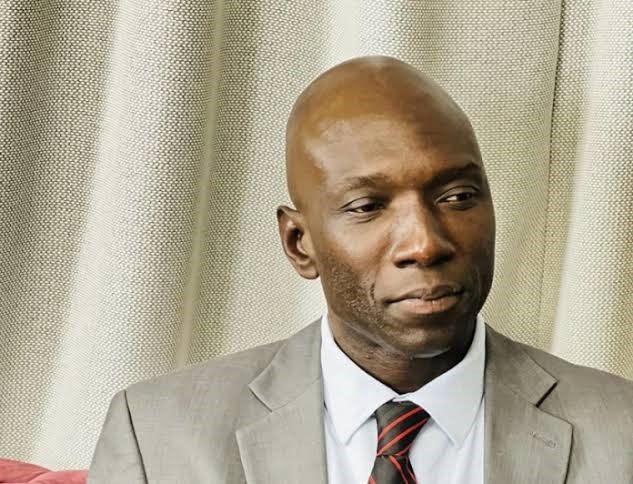
Gambian economist and politician Dr Ousman Gajigo has accused the government of withholding information on the quantity of fertilizer supplied to farmers this rainy season, warning that shortages could affect agricultural production and food security.
Speaking on the fertilizer situation affecting farmers across the country, Gajigo said his visits to several regions revealed inadequate supplies at government depots.
“I visited many regions and noticed that the quantity of fertilizer supplied was highly insufficient,” he said.
Gajigo said many farmers had the financial means and were willing to purchase fertilizer, but were unable to find the products at designated depots despite government assurances that supplies were available.
He also questioned the Ministry of Agriculture’s failure to disclose the quantities of NPK and urea procured for the current farming season.
“What is suspicious about the government’s supply of fertilizer is that the Minister of Agriculture, Mr Demba Sabally, never mentioned the exact quantity of NPK and urea that the government supplied,” he said, describing the omission as “highly atypical.”
According to Gajigo, the government should be able to provide clear figures on the quantities of NPK and urea procured and distributed to farmers.
He also rejected government explanations that the shortage was partly caused by the resale of fertilizer across the country’s borders.
“A claim that fertilizer shortage was caused by people reselling across the border is not supported by farmers or those manning the depots,” he said.
Gajigo argued that the shortage was instead the result of insufficient quantities being procured.
He called on President Adama Barrow and Agriculture Minister Demba Sabally to provide the public with detailed information on the fertilizer programme.
“President Adama Barrow and Minister Demba Sabally need to come forward and tell the Gambian people the truth about the quantity of fertilizer they bought and what happened to it,” he said.
Gajigo warned that the fertilizer shortage could have wider implications for agricultural productivity and farmers’ incomes.
“This fertilizer shortage means that agricultural productivity will be low this year,” he said.