


By: Fatou Krubally
The Gambia is projecting D16.17 billion in debt service for 2027, as government moves to tighten spending while targeting stronger economic growth and a lower budget deficit.
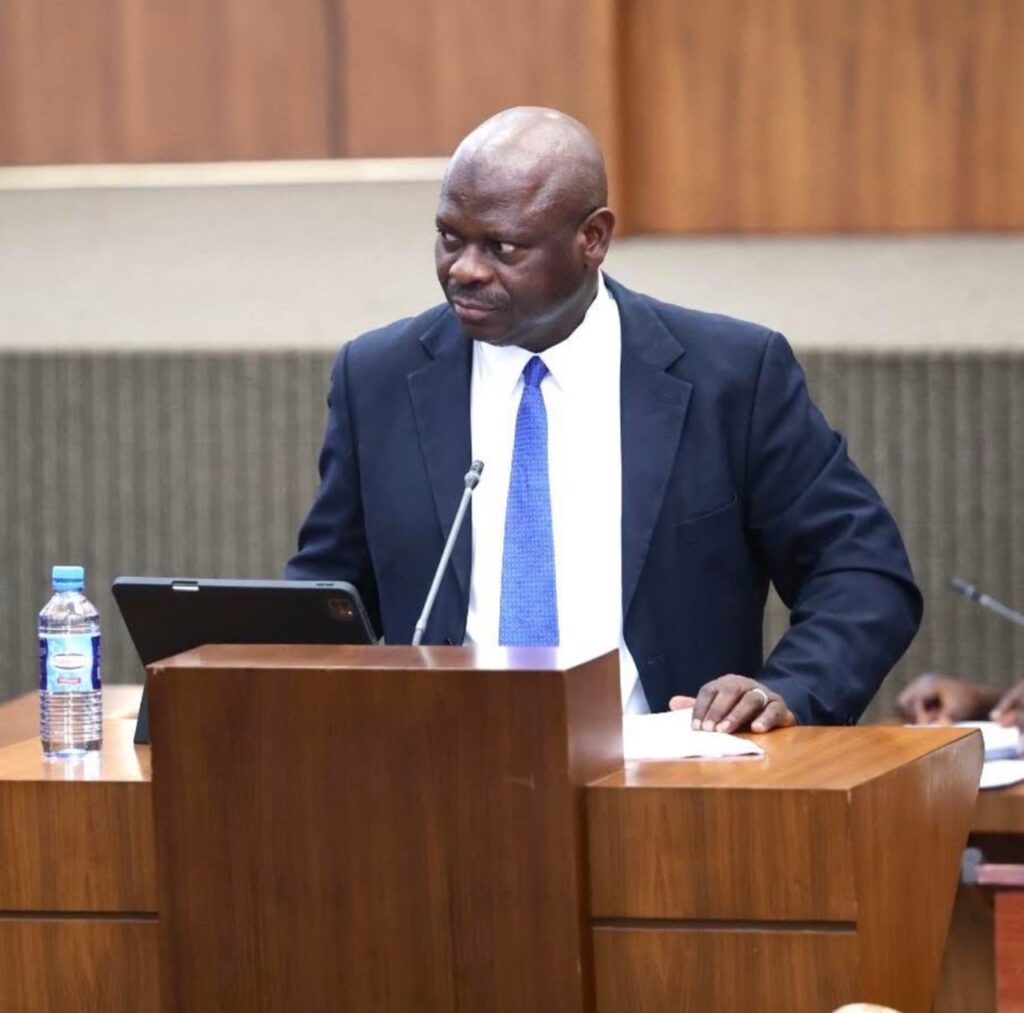
Hon Seedy Keita Finance and Economic Affairs Minister on Friday laid the 2027 Estimates of Revenue and Expenditure before the National Assembly, presenting a budget built around the theme, “Deepening economic resilience while enhancing fiscal sustainability.”
The Minister said the projected debt service, covering interest and principal payments, represents a 20.2 percent increase from D13.46 billion in 2026. The increase is largely linked to a projected 34 percent rise in interest payments on domestic debt.
Despite the growing debt burden, government is projecting a real GDP growth rate of 5.6 percent in 2027. The Minister said the economy grew by 5.7 percent in 2025, compared to 6 percent in 2024, supported by recovery in agriculture, construction, tourism, remittance inflows and macroeconomic stability.
The 2027 budget projects total Government Local Funds revenue and grants at D40.96 billion, representing a 14.2 percent increase from the previous year. Tax revenue is expected to grow by 16.5 percent, with government counting on a broader tax base and enhanced domestic revenue mobilisation.
The revenue measures include the introduction of excise duties on single-use plastics, imported used tyres and scrap metal exports.
On expenditure, total Government Local Funds spending is estimated at D48.5 billion, excluding net lending, while expenditure under All Funds is projected at D66.7 billion.
Personnel costs are expected to rise from D10.29 billion in 2026 to D11.21 billion in 2027, an increase of 8.9 percent. The Minister attributed the rise largely to election-related expenses, recruitment in the defence, interior, health and foreign affairs sectors, as well as increased personnel expenditure by institutions including the National Audit Office, Independent Electoral Commission, Judiciary and National Assembly.
The 2027 Estimates also allocate D8.45 billion for goods and services, while subsidies and transfers are projected at D8.31 billion.
According to the Minister, the latter increase will be driven mainly by agricultural input subsidies, including fertiliser and crop financing, the National Health Insurance Scheme, and increased support to hospitals and schools.
Capital expenditure is projected to increase by 6.2 percent to D3.79 billion, with spending expected on office buildings, hospitals, clinics, military barracks, medical equipment and ICT infrastructure.
The Minister said the 2027 budget deficit for Government Local Funds is projected at just 0.04 percent of GDP, while the deficit for All Funds is estimated at one percent of GDP.
He also announced that, for the first time, Program-Based Budgeting will cover the whole of central government in 2027, with the aim of linking public resources to national priorities and improving accountability.
The Minister said government would continue to apply strict expenditure controls and concessional borrowing measures as it seeks to manage debt risks and strengthen fiscal sustainability.