


By Haddy Touray
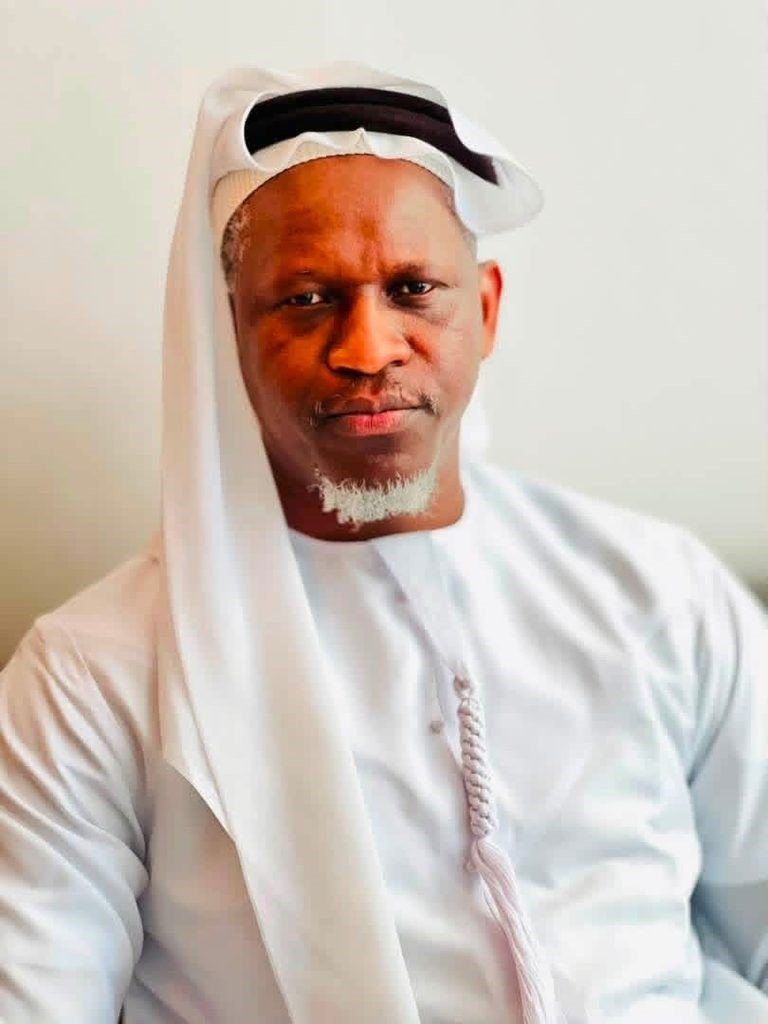
Presidential aspirant and Economic Freedom Fighters (EFF) Gambia leader Prince Ebrima Sanyang has unveiled a six-point policy agenda, pledging to tackle poverty, unemployment, corruption and the rising cost of living if elected president in December 2026.
Speaking at the launch of EFF Gambia at the Kairaba Hotel, Sanyang said transparency, fiscal discipline and public accountability would be central to his administration.
He pledged an uncompromising campaign against corruption and misuse of public resources, saying public officials would be required to account for government expenditure.
“We will fight corruption without fear or favour,” Sanyang said.
He said an EFF government would strengthen public scrutiny of government contracts and expenditures, reduce waste and reform the public procurement system.
Government borrowing, he added, would be directed towards productive development rather than consumption or projects undertaken for political prestige.
Sanyang also pledged to establish clear targets and implementation timelines for government programmes and publish annual progress reports to enable citizens to assess the administration’s performance.
He said EFF Gambia would be guided by four principles: “people before power, service before privilege, justice for all, and accountability at every level.”
The movement, he added, would reject violence, intimidation, tribalism, religious intolerance and abuse of public trust.
On foreign policy, Sanyang said an EFF administration would seek to protect The Gambia’s sovereignty, strengthen the standing of the Gambian passport and safeguard the interests of Gambians living abroad.
He described EFF Gambia as a democratic, progressive and Pan-African movement committed to achieving political change through peaceful and constitutional means.
Sanyang also urged women, young people, farmers, workers, teachers, health workers, persons with disabilities and Gambians in the diaspora to take ownership of the movement.
He cautioned young people against allowing politicians to use them for violence or temporary campaign activities and urged them instead to prepare for leadership.
“Do not join for a position, contract, name, or title,” he said. “Join because you believe poverty can be defeated, honest leadership is possible, and The Gambia can rise.”
Sanyang said the first pillar of the EFF agenda would focus on food security and reducing the cost of basic commodities.
He proposed establishing “Freedom Stores” to provide subsidised essential commodities and a national food buffer stock company to improve supplies and stabilise prices.
The movement also plans to support farmers through agricultural machinery, irrigation and cooperatives under a “One Village, One Cooperative” initiative.
Sanyang further proposed establishing a national fishing company, which he said would create jobs and improve access to affordable food.
“The Gambia must feed itself,” he said.
On employment, EFF Gambia said it would make “zero unemployment” a national objective.
Its proposals include a “One Ward, One Industry” programme aimed at decentralising production and creating employment in local communities, as well as efforts to develop a 24-hour economy.
The movement also pledged startup grants for young people and women, community-based credit through a “One Ward, One Bank” initiative and a financing programme to help Gambians acquire taxis.
On education and healthcare, Sanyang pledged free and quality education and healthcare, beginning with primary, maternal and emergency care.
The movement also proposed establishing a clinic in every village and providing an ambulance for every community.
Sanyang described education and healthcare as fundamental rights rather than privileges for those who can afford them.
To ease pressure on low-income households, EFF Gambia proposed a monthly family relief package and a monthly allowance of D1,500 for Gambians aged 60 and above.
The movement also pledged to introduce what it described as a living wage and expand access to affordable housing.
Its infrastructure proposals include making water, electricity and internet services more affordable, providing a borehole for every village, improving roads and introducing community bus services.
Sanyang also outlined longer-term infrastructure ambitions, including the development of a national railway, a new international airport, a Gambian airline and a national shipping line.
The sixth pillar of the agenda focuses on security and justice.
“No prosperity without security. No security without justice,” Sanyang said.
Under the proposal, EFF Gambia would seek to establish a police station in every community and a fire and rescue service in every district as part of efforts to strengthen policing and emergency response.
The six-point agenda represents one of EFF Gambia’s first major policy declarations since its launch and sets out an ambitious platform covering food security, employment, public services, infrastructure, economic relief, security and justice.