


By: Dawda M. Jallow
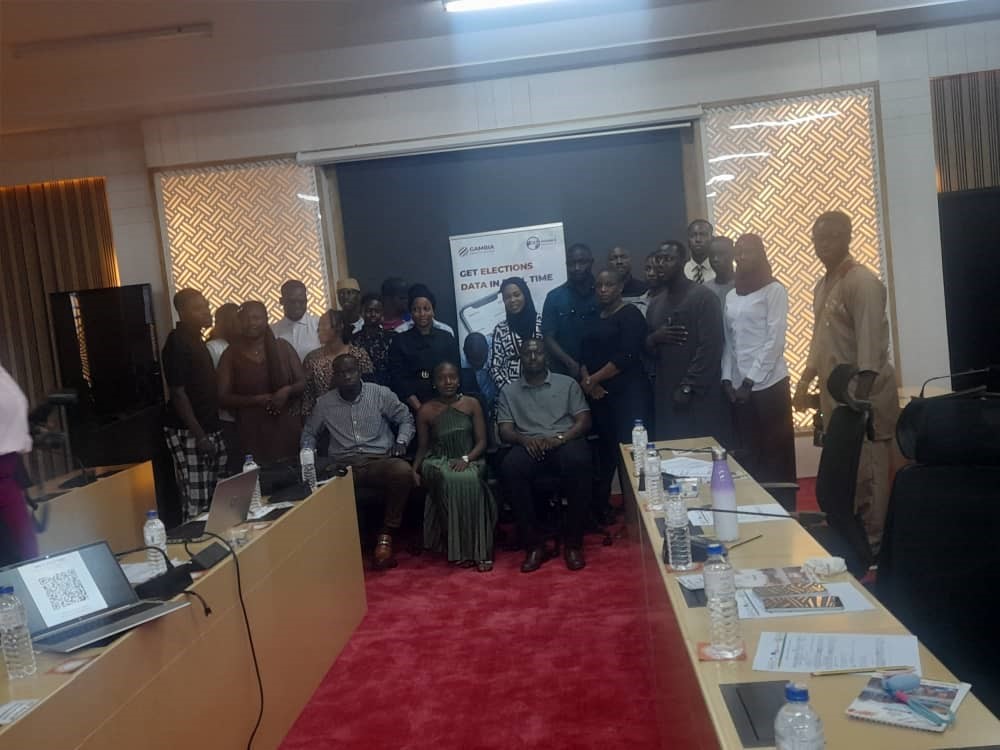
With the 2026 presidential election drawing closer, Gambia Participates has launched a three-day training targeting social media influencers and digital content creators.
The training is aimed at equipping participants with the knowledge and skills needed to promote electoral integrity and counter misinformation online.
The training, which opened on Wednesday at Bakadaji Hotel, brought together social media influencers, young digital content creators and civic actors from across the country to discuss their role in safeguarding democratic processes and encouraging peaceful participation during the electoral cycle.
The initiative forms part of efforts by Gambia Participates to strengthen responsible digital engagement and raise awareness about the dangers posed by misinformation and disinformation, particularly during election periods. Participants are also being trained on fact-checking techniques and the responsible use of online platforms to promote credible elections, civic participation and social cohesion.
Speaking at the opening session, the Executive Director of Gambia Participates, Marr Nyang, underscored the importance of the training and urged participants to actively engage throughout the programme.
He notes that elections are often sensitive periods when the spread of false information can undermine public trust and fuel tensions. According to him, the training is designed to help influencers and content creators understand their responsibilities and contribute positively to the democratic process through accurate and balanced communication.
One of the key presentations focused on the legal boundaries governing conduct during election periods. Delivering the session, legal practitioner Sait Matty Jaw cautioned participants against engaging in activities that could violate electoral laws.
He explained that insulting, maligning or slandering candidates could attract legal consequences, particularly where such actions incite violence or hatred. He also warned against vote-buying and other forms of inducement, noting that offering money, food or gifts to influence voters constitutes a corrupt electoral practice.
Jaw further highlighted penalties for knowingly publishing false election-related information, including false claims that a candidate has withdrawn from a race. Such offences, he said, can attract imprisonment, fines and the temporary loss of voting rights.
The training also examined standards of conduct on polling day, reminding participants that campaign activities, political gatherings and electioneering are prohibited during the cooling-off period and on election day itself.
Facilitators stress that electoral integrity depends on a process that is free, fair, inclusive and credible. They noted that citizens must be able to participate without intimidation, that rules must apply equally to all contestants, and that election outcomes must reflect the genuine will of voters.
As the country prepares for the 2026 presidential election, organisers express hope that participants will use their digital platforms responsibly and help foster an informed, peaceful and democratic electoral environment.