


By Fatoumatta B. Jallow
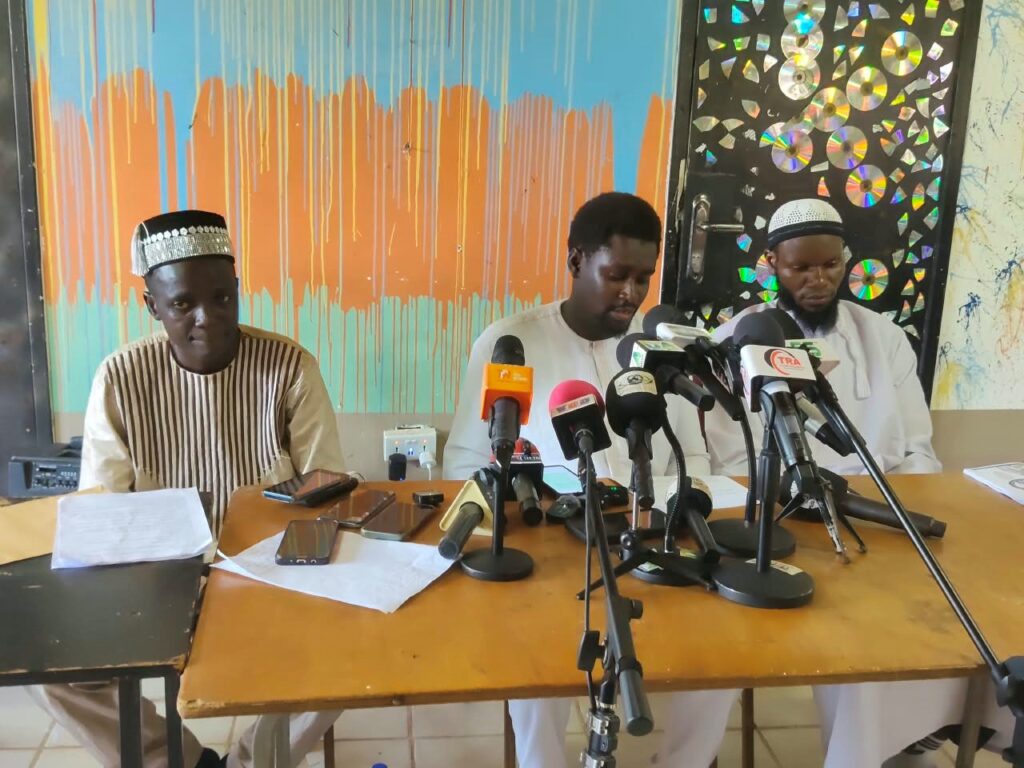
The Gambia Change Front Movement on Friday unveiled its political manifesto, outlining proposals for economic transformation, institutional reforms and improved social services ahead of the December 2026 presidential election.
The launch brought together political representatives, civil society organizations and supporters of the movement.
Speaking at the ceremony, Change Front Movement President, Sulayman Waan said the manifesto focused on key sectors affecting the lives and livelihoods of Gambians.
“As a landmark political document, it details the Change Front’s political doctrine, two economic transformation models, deliberations on the healthcare system in The Gambia, education reform, agricultural reform, gender equality, energy stability, local government transformation, the diaspora, land allocation and other areas,” he pointed out.
Mr. Waan said the manifesto addressed what the movement considered some of the major challenges facing the country and proposed measures to reverse what he described as declining performance in key sectors.
He argued that The Gambia’s economy had failed to meet the expectations of citizens since independence, criticizing the performance of state-owned enterprises (SOEs).
“The Gambian economy is dead. The SOEs are not performing to expectations due to poor management and misplaced priorities,” he observed.
Mr Waan also criticized developments in the fisheries and agricultural sectors, arguing that foreign involvement in fisheries, declining agricultural productivity and the exploitation of black sand were contributing to economic difficulties in the country.
He said the Change Front Movement, if elected into office, would review the government’s agreements with Albayrak concerning the Alport Banjul Project and with Africa50 on the Senegambia Bridge.
For his part, the movement’s Treasurer, Modou Lamin Jallow, underscored the importance of political engagement, describing the manifesto launch as an opportunity for constructive dialogue despite differences among political actors.
He said political competition should not prevent stakeholders from working together on issues affecting the country’s development.
The spokesperson of the movement, Hatab Jaiteh, said its political philosophy was centered on integrity, economic innovation and social inclusion.
Mr Jaiteh said the movement intended to promote a political culture in which public institutions served citizens effectively and leaders were held accountable.
He added that the movement sought to increase youth participation in national decision-making while promoting institutional reform and responsible leadership.
Mr Jaiteh also criticized political practices based on tribal, regional and personality-driven loyalties, saying the movement would instead promote national cohesion, equal opportunity and a shared sense of national purpose.