


By Binta Jaiteh
Three opposition National Assembly Members (NAMs) have expressed concern over what they described as declining accountability in The Gambia’s National Assembly, calling for stronger oversight of the executive and implementation of parliamentary resolutions.
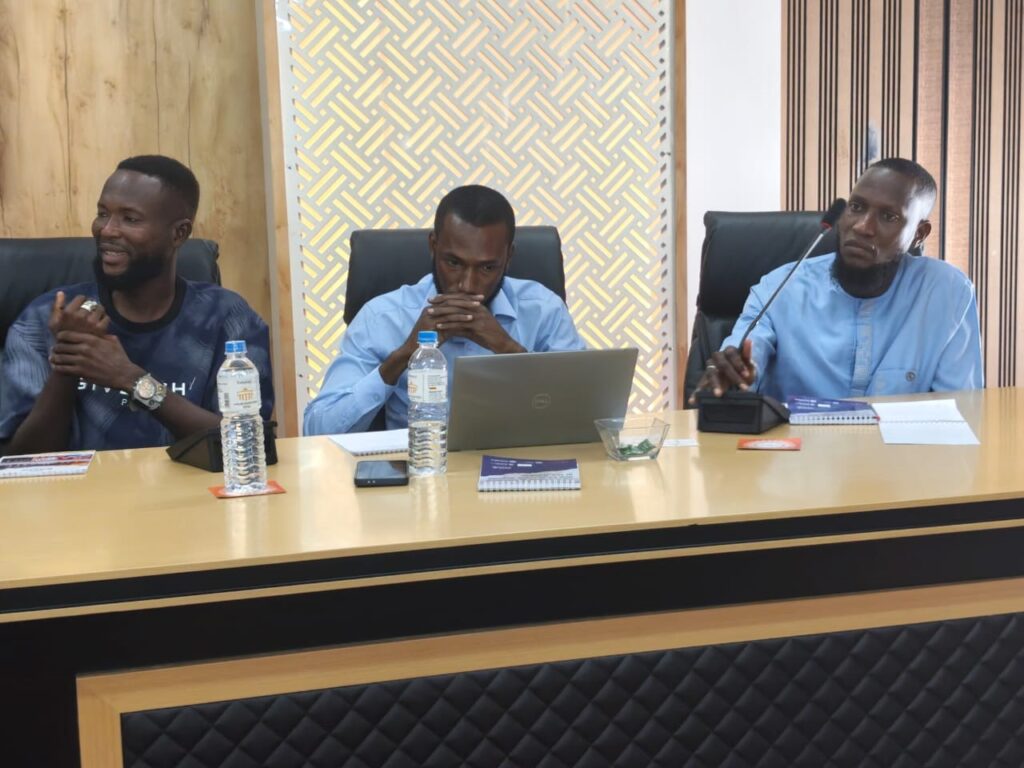
The lawmakers made the remarks during the signing of a ‘Social Contract’ between National Assembly Members and youth representatives, organized by Gambia Participates.
The event, described as the first initiative of its kind by a civil society organization in The Gambia, brought together lawmakers and constituents to discuss community concerns, development priorities and ways to strengthen representation and accountability.
Bakary Badjie, the National Assembly Member for Foni Bintang Karanai, criticized the absence of adjournment debates in parliament over the past nine months.
“This is not normal. The National People’s Party lawmakers are there to defend the agenda of the government,” he said.
Modou Lamin Bah, the National Assembly Member for Banjul North, also expressed dissatisfaction with the level of accountability in parliament, describing it as essential for national development.
“That is why I keep asking questions. The disappointing and shocking part is that most parliamentarians intervene between me and the executive. When we ask pertinent questions, members oppose those concerns. No minister is feeding me,” Bah said.
Lamin Ceesay, the National Assembly Member for Kiang West, says parliament has sufficient legal instruments, including the Constitution, Standing Orders and other legislation, to hold the government and public institutions accountable.
He, however, argued that the implementation of parliamentary findings and recommendations remained weak.
“Many accountability mechanisms have come before parliament, but the question is what happens after those inquiries. Not much is done. The executive should enforce parliamentary recommendations and resolutions. Without political will, it will be difficult to address these issues,” Ceesay said.
He further cited the recommendations of the Truth, Reconciliation and Reparations Commission (TRRC) and other commissions, saying many had not been implemented despite significant public resources remaining unaccounted for.
The ‘Social Contract’ focuses on priorities identified during consultations with young people, including employment, education, healthcare, electricity, infrastructure development, electoral integrity and the fight against corruption.
Under the agreement, National Assembly Members pledged to uphold the principles of accountable and responsive leadership, while youth representatives committed themselves to active civic engagement and democratic participation.