


By Haddy Touray
Fresh divisions have emerged within ongoing opposition coalition talks in The Gambia after the United Democratic Party (UDP) rejected reports that participating parties had agreed to adopt a candidate-led coalition model for the 2026 presidential election.
The disagreement follows a statement issued by the Coalition Mediation Committee Secretariat claiming that opposition parties had endorsed a candidate-led coalition framework and agreed to field a unity candidate for the December 2026 polls.
According to the statement, the decision was reached during the ninth strategic session of the Coalition Mediation Talks held on 20 June at the African Princess Hotel in Banjul. The meeting was hosted by the United Movement for Change (UMC), led by Talib Ahmed Bensouda.
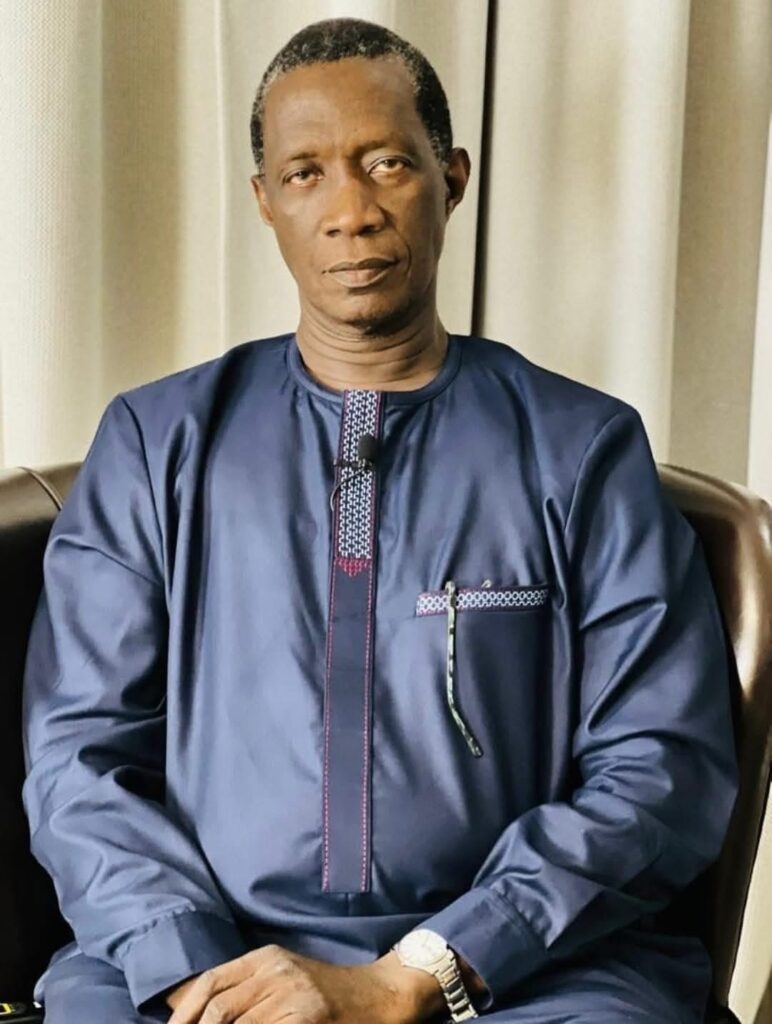
However, UDP Deputy External Secretary Dr. Lamin Manneh dismissed the claim, saying no consensus had been reached among stakeholders.
“There was no consensus and not everyone agreed on the candidate-led coalition model,” Dr. Manneh told Hill Top.
He further alleged that the statement was released without the approval of all parties participating in the talks.
“In previous meetings, statements were issued only after participants had reviewed and agreed to them. This time, no one was consulted before the statement was published,” he said.
Dr. Manneh, who represents the UDP in the negotiations, says he left the meeting before a reported vote was conducted on the preferred coalition model.
According to him, seven political parties, including the UDP, Alliance for Democracy and Development (ADD), People’s Alliance Party (PAP) and Citizens Coalition for Change (CCC), supported a party-led coalition arrangement. He added that the People’s Progressive Party (PPP) had expressed a similar position.
He also said discussions were continuing with Gambia For All (GFA), which he claimed favored a party-led coalition model.
By contrast, Dr. Manneh said the Gambia Democratic Congress (GDC), APP-Sobeya, several civil society organizations and political movements support a candidate-led coalition.
The UDP official maintained that his party prefers a coalition led by the UDP while accommodating the policy priorities and development programs of all coalition partners.
He stressed that the proposed arrangement would be based on a common program agreed upon by all participating parties.
Despite the disagreement, Dr. Manneh says the UDP remains committed to the coalition talks and would continue engaging with stakeholders.
“Forming a coalition is not easy. It requires extensive consultation and discussion. We will continue engaging rather than walking away from the process,” he said.
He added that the party remained committed to negotiating a coalition framework and a Memorandum of Understanding that complied with the constitution and is acceptable to all parties involved.
The latest disagreement highlights the challenges facing opposition parties as they seek to forge a united front ahead of the 2026 presidential election.
Political analysts note that coalition-building efforts in The Gambia have often been complicated by disagreements over leadership structures and candidate selection, raising questions about whether opposition parties can ultimately agree on a common framework and consensus candidate before the polls.