


By: Dawda M Jallow
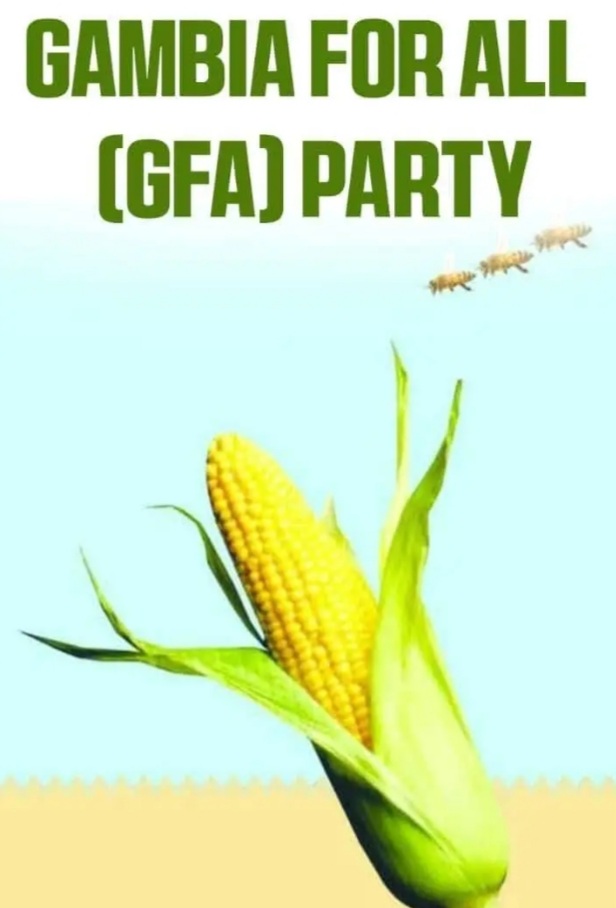
Gambia For All (GFA) Party has called for urgent reforms in the country’s agricultural sector as the 2026 rainy season begins.
The opposition party was quick to warn that the period would be critical for food security, rural incomes and the wider economy.
In a statement issued on Friday, the party says rainy season remains a decisive period for farmers, as agricultural outcomes largely determine household livelihoods and national food availability.
GFA notes that agriculture contributes an estimated 20 percent to Gross Domestic Product (GDP) and supports a majority of rural households. However, it says the sector continues to face structural challenges, including reliance on rainfall, delayed input distribution, limited financing and weak support systems.
The party said these constraints have left farmers vulnerable to weather variability and inconsistent yields, particularly in staple crops such as rice and groundnuts.
“The current state of Gambian agriculture is one of enormous, squandered potential,” GFA said, adding that continued dependence on rain-fed farming limits productivity and resilience.
It also raised concerns over delays in payments to groundnut farmers and inadequate support for horticultural production, particularly among women engaged in community gardening.
GFA said it would prioritize agricultural transformation if elected, including investment in irrigation infrastructure along the River Gambia to support year-round farming and reduce dependence on seasonal rainfall.
The party identified rice self-sufficiency as a key policy objective, noting that domestic production remains below national consumption needs.
Other proposals include expanding agricultural financing for young people and smallholder farmers developing local animal feed production, and reforming the National Food Security Processing and Marketing Corporation (NFSPMC) to improve payment systems and market access.
GFA also pledged to strengthen agricultural extension services through recruitment and training of additional officers to support farmers at community level.
The party said agriculture could play a stronger role in driving food security, employment and economic growth if supported by adequate investment and policy direction.
It added that the rainy season should serve as a reminder of the need for stronger leadership and sustained investment to unlock the sector’s potential.