


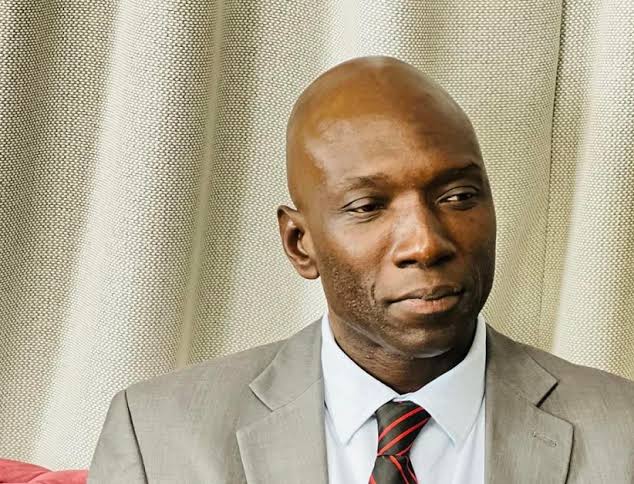
By Haddy Touray
Dr. Ousman Gajigo, a senior member of the Gambia For All (GFA) party, has said the country is facing a serious electricity crisis marked by prolonged power outages affecting households and businesses across The Gambia.
He said the recent disruptions have led to the spoilage of perishable food, increased business costs, reduced production, and job losses, warning that the broader economy is likely to experience declining output, rising unemployment, and higher prices.
According to Dr. Gajigo, the crisis is largely due to government reliance on electricity imports instead of investing in domestic power generation. He argued that this approach has left the country vulnerable to supply shortages from neighbouring states and global energy shocks.
He drew a parallel with the agricultural sector, noting that The Gambia imports about 90% of its rice, despite having the land and climate conditions necessary for self-sufficiency. He said this dependence exposes the country to international market volatility.
Dr. Gajigo also criticised what he described as government interventions focused on visibility rather than productivity, citing the distribution of tractors without sufficient investment in land development and irrigation systems.
He further stated that agricultural performance has remained weak, with low rice productivity compared to other West African countries and stagnant farmer incomes. He added that development assistance of more than US$200 million over the past decade has not translated into significant improvements in the sector.
He alleged that some agricultural projects, including an African Development Bank-supported initiative, failed to benefit intended rural farming communities, instead enriching politically connected individuals. These claims were not independently verified.
On external dependence, Dr. Gajigo warned that global factors affecting major suppliers such as India, including weather shocks, geopolitical tensions and policy changes, could disrupt rice imports and impact food security in The Gambia.
He said long-standing challenges in energy and agriculture should not justify continued inaction, adding that the current administration has had sufficient time to implement reforms.
Dr. Gajigo stressed that agriculture and energy are central to economic transformation, noting that The Gambia’s economy remains largely dependent on low-productivity agriculture and services, with limited industrial development.
He said reliable and affordable energy is essential for industrialisation and attracting foreign investment, while increased agricultural productivity would support local processing and manufacturing.
He called for greater investment in domestic electricity generation, irrigation infrastructure and land development to strengthen food security and reduce import dependence.
According to him, improved energy and agricultural systems would lower the cost of living, create jobs, and enhance economic resilience.
As the 2026 rainy season begins, Dr. Gajigo urged Gambians to reflect on what he described as persistent failures to address the country’s core needs of food security and reliable electricity.