


By Musa S. Sheriff
Behind the bustle of markets, schools and urban streets in The Gambia lies a growing public health challenge that remains largely hidden from public view. Mental illness affects an estimated 120,000 people across the country, yet nearly 90 percent of those living with mental health conditions do not receive formal psychiatric care.
For many families, mental illness remains a subject surrounded by fear, misunderstanding and stigma. While significant reforms are underway to modernize the country’s mental health system, health professionals, human rights advocates and community leaders warn that thousands of vulnerable people continue to fall through the cracks.
Particularly worrying is the growing number of young Gambians experiencing mental distress without adequate support, while drug and substance abuse continue to fuel admissions to the country’s only psychiatric hospital.
Mental health experts describe the situation as a silent crisis requiring urgent attention from government institutions, communities, civil society organizations and development partners.
A SYSTEM UNDER PRESSURE
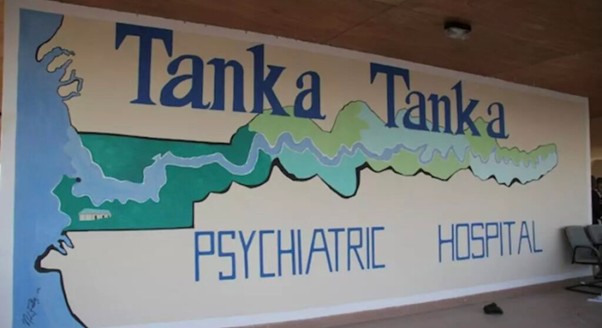
Mental health services in The Gambia remain heavily centralized around Tanka Tanka Psychiatric Hospital in Salagi, the country’s principal specialized psychiatric facility.
The hospital provides both inpatient and outpatient services and serves patients from all regions of the country. However, the concentration of psychiatric services in one institution creates significant barriers for many people, particularly those living in rural communities.
Community mental health teams have been established to bridge this gap by operating mobile services from regional health facilities. Nevertheless, limited resources, shortages of specialized personnel and transportation challenges continue to affect service delivery.
According to health workers, many patients arrive at health facilities only after their conditions have deteriorated significantly.
“People often seek help very late because of stigma and misconceptions surrounding mental illness,” explained one community health practitioner. “By the time they reach professional services, the situation may have become much more difficult to manage.”
The treatment gap remains one of the most pressing concerns facing the sector. While depression, anxiety disorders, psychosis and substance-related conditions affect thousands of Gambians, access to diagnosis and treatment remains limited.
THE BURDEN OF STIGMA
Mental illness continues to be widely misunderstood across many communities.
Individuals suffering from psychiatric conditions are frequently subjected to discrimination, social exclusion and ridicule. Families often conceal affected relatives due to fear of public judgment.
In some cases, mental illness is associated with supernatural explanations, leading many people to seek assistance exclusively from traditional healers or spiritual practitioners.
Traditional medicine remains an important part of Gambian culture and continues to play a significant role in community health practices. However, health experts emphasize that severe mental health conditions require professional assessment and evidence-based treatment.
The reliance on non-clinical interventions often delays access to medical care, increasing the risk of worsening symptoms and prolonged suffering.
Mental health advocates argue that combating stigma must become a national priority if treatment outcomes are to improve.
“People should understand that mental illness is a health condition like any other illness,” said a social worker involved in mental health awareness campaigns. “No one should be ashamed to seek treatment.”
YOUTH UNDER GROWING PRESSURE
Perhaps the most alarming aspect of the crisis is its impact on young people.
Across urban and rural communities, increasing numbers of young men and women are struggling with stress, anxiety, depression and other psychological challenges linked to unemployment, economic hardship, family pressures and social uncertainty.
Mental health professionals report growing concerns about emotional distress among youth, many of whom lack access to counseling services or psychological support.
Some young people endure their struggles silently, fearing judgment from peers and family members. Others resort to harmful coping mechanisms, including substance abuse.
Youth advocates say mental health services in schools and communities remain insufficient to meet growing needs.
“There are many young people suffering in silence,” said a youth leader in the Greater Banjul Area. “Some are dealing with severe emotional problems, but they have nowhere to turn for help.”
Experts believe early intervention programs, school counseling services and community-based support networks could significantly reduce long-term mental health problems among young people.
THE DRUG ABUSE CONNECTION
Health professionals and social workers increasingly identify drug and substance abuse as a major contributor to mental health disorders in The Gambia.
There is widespread anecdotal evidence suggesting that a significant number of patients admitted to Tanka Tanka Psychiatric Hospital have histories of substance abuse, particularly involving marijuana and alcohol.
Community members have expressed concern about the accessibility of drugs to vulnerable young people and individuals already displaying signs of mental health problems.
Critics argue that some drug dealers knowingly sell marijuana and other substances to individuals suffering from psychological distress, thereby aggravating existing conditions.
Mental health specialists warn that substance abuse can trigger or worsen psychiatric disorders, particularly among adolescents and young adults whose brains are still developing.
The harmful relationship between substance abuse and mental illness has become an increasingly important public health concern.
Article 33 of the United Nations Convention on the Rights of the Child places an obligation on States to protect children from the illicit use of narcotic drugs and psychotropic substances. The provision recognizes the potentially devastating impact of substance abuse on children’s physical and mental wellbeing.
Advocates argue that stronger law enforcement, public education campaigns and youth engagement programs are necessary to address the growing challenge.
REFORMS OFFER HOPE
Despite the challenges, important reforms are underway.
The Government of The Gambia, working closely with the World Health Organization, has intensified efforts to strengthen mental health services through the Mental Health Gap Action Programme (mhGAP).
The initiative focuses on training frontline nurses, community health workers and primary healthcare providers to identify, diagnose and manage common mental health conditions.
The objective is to integrate mental healthcare into general health services and make treatment more accessible across the country.
Health officials believe decentralization is essential to reducing the treatment gap and ensuring that people can access support closer to their homes.
In addition, a Mental Health Investment Case has been developed to guide future investments in community-based services, particularly for conditions such as depression and anxiety.
Experts argue that expanding community interventions could significantly reduce the burden on specialized facilities while improving treatment outcomes.
Perhaps the most significant reform involves the modernization of mental health legislation.
The country is working to replace the outdated Lunatic Detention Act of 1964, a law widely criticized for failing to reflect modern human rights standards.
The proposed reforms seek to guarantee the rights of patients, protect healthcare providers and establish legal safeguards consistent with international best practices.
Human rights advocates view the legislative overhaul as a critical step toward creating a more humane and rights-based mental healthcare system.
MENTAL HEALTH AS A HUMAN RIGHT
Mental health is increasingly recognized not merely as a medical issue but as a fundamental human rights concern.
International and regional human rights instruments provide strong protections for the right to health, including mental health.
Article 25 of the Universal Declaration of Human Rights recognizes everyone’s right to a standard of living adequate for health and wellbeing, including medical care.
Similarly, Article 12 of the International Covenant on Economic, Social and Cultural Rights obliges States to recognize the right of everyone to enjoy the highest attainable standard of physical and mental health.
At the African regional level, Article 16 of the African Charter on Human and Peoples’ Rights guarantees every individual the right to enjoy the best attainable state of physical and mental health.
The Convention on the Rights of Persons with Disabilities further requires States to ensure that persons with disabilities, including psychosocial disabilities, enjoy equal access to healthcare without discrimination.
Human rights experts emphasize that the right to health should not be interpreted as a guarantee that every person will always be healthy. Rather, it requires governments to establish conditions that enable individuals to access quality healthcare services, information and support.
This includes ensuring that mental health facilities, medicines and trained professionals are available, accessible, acceptable and of good quality.
THE GAMBIAN CONTEXT
Although The Gambia’s 1997 Constitution does not explicitly guarantee the right to health as a fundamental and enforceable right, it places obligations on the State under the Directive Principles of State Policy.
Section 216(4) requires the State to endeavor to facilitate access to adequate health and medical services for all persons.
Mental health advocates argue that future constitutional and legal reforms should strengthen protections for the right to health and provide stronger accountability mechanisms.
They also stress the importance of ensuring that individuals living with mental illness are treated with dignity, respect and equality.
LOOKING AHEAD
The Gambia stands at a critical moment in its mental health journey.
Growing awareness, increased international support and ongoing policy reforms provide an opportunity to transform a system that has long struggled to meet the needs of vulnerable populations.
Yet meaningful change will require more than legislation and policy documents.
It will require sustained investment in healthcare infrastructure, expanded community services, increased public awareness and stronger action against drug and substance abuse.
Most importantly, it will require society to challenge the stigma that continues to isolate those living with mental illness.
For the thousands of Gambians struggling silently with depression, anxiety, psychosis and substance-related disorders, access to timely and compassionate care can mean the difference between despair and recovery.
As the country works toward a more inclusive and rights-based mental health system, the challenge remains clear: ensuring that no individual is left behind simply because they suffer from an illness that too often remains unseen.