


By Fatou Krubally
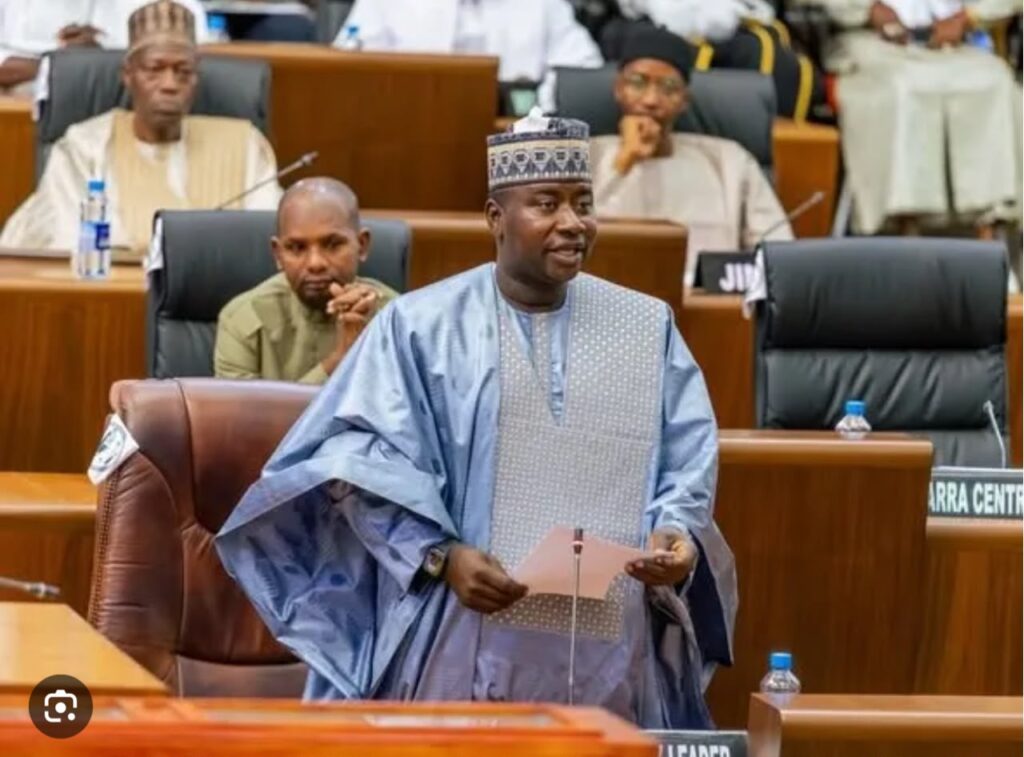
The National Assembly on Tuesday adopted a motion establishing a Standing Committee on Government Assurances to strengthen parliamentary oversight and ensure the implementation of commitments made by government officials.
The motion, moved by Majority Leader and National Assembly Member for Kantora, Bilaye G. Tunkara, was approved during the Second Ordinary Session of the 2026 Legislative Year.
Presenting the motion, Tunkara cited Sections 74 and 108 of the 1997 Constitution, as well as Standing Order 100, which requires ministers to respond to parliamentary resolutions within 30 days.
He told lawmakers that although mechanisms exist to follow up on formal resolutions and committee reports, there has been no structured system for tracking assurances, promises and undertakings made by government officials during plenary sittings and committee proceedings.
Under its mandate, the new committee will scrutinise all assurances made by the Vice President, ministers and other government representatives, whether oral or written.
The committee will maintain a Register of Assurances containing details of commitments made, implementation timelines, progress reports and approved extensions.
It will also monitor the implementation of parliamentary resolutions, seek information from ministries and agencies, assess the status of government commitments and determine whether assurances have been fulfilled, delayed or abandoned.
The committee is required to submit quarterly reports to the Assembly and may recommend appropriate action, including contempt proceedings, in cases where commitments remain unfulfilled.
The motion further requires the Clerk of the National Assembly to refer all identifiable assurances arising from parliamentary proceedings to the committee for registration and follow-up.
Lawmakers agreed that membership of the committee will be determined by the Committee of Selection in accordance with the Standing Orders and should, as far as practicable, reflect the political composition of the Assembly.
The establishment of the committee is expected to enhance accountability and strengthen parliamentary oversight of executive commitments