


By: Fatou Krubally
The Gambia recorded an eight percent decline in tuberculosis (TB) cases in 2025, but remained significantly behind global targets to end the disease.
This was disclosed by health officials on Wednesday at the country’s maiden International Tuberculosis Scientific Forum.
Data presented by National Leprosy and Tuberculosis Control Programme (NLTP) Manager Marie Bass Gomez showed that TB notifications dropped from 2,860 cases in 2024 to 2,627 in 2025, representing 233 fewer cases. However, progress towards key End TB Strategy milestones remains slow, with the country achieving only a 20 percent reduction in TB incidence and a 21 percent reduction in TB deaths compared to 2015 levels.
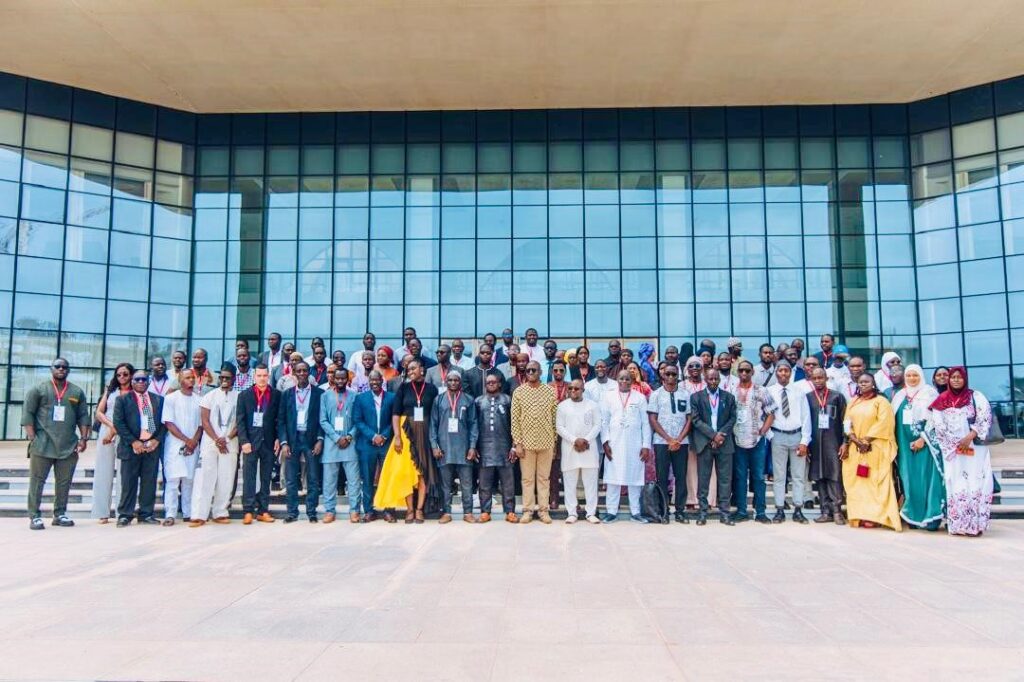
The figures were unveiled during the opening of the two-day forum at the Sir Dawda Kairaba Jawara International Conference Centre in Bijilo, bringing together researchers, clinicians, policymakers and development partners from The Gambia and across the sub-region under the theme, “Advancing Evidence to End TB in The Gambia: From Research to Impact.”
According to the NLTP presentation, The Gambia’s TB incidence rate currently stands at 138 cases per 100,000 population, while the mortality rate is estimated at 21 deaths per 100,000 population. The programme also reported an estimated multidrug-resistant TB incidence of 8.1 cases per 100,000 population.
Despite the decline in notifications, health authorities acknowledged that the country remains far from the End TB Strategy milestones, which seek a 50 percent reduction in TB incidence and a 75 percent reduction in TB deaths by 2025 compared to 2015 levels.
Speaking at the forum, Permanent Secretary at the Ministry of Health Lamin Dampha, representing the Minister of Health, said The Gambia had made important gains through strengthened surveillance systems, improved diagnostic capacity and expanded treatment services, but warned that major challenges persist.
“The emergence of drug-resistant TB, the burden of TB-HIV co-infection, gaps in case detection and challenges in reaching vulnerable populations remind us that much work remains to be done,” he said.
World Health Organization Representative to The Gambia, Dr Nathan Bakyaita, described tuberculosis as one of the world’s deadliest infectious diseases and urged greater use of research evidence in shaping policy and interventions.
“A key challenge is ensuring that evidence is translated into policy and practice. Too often, research findings do not move quickly enough into implementation,” he said.
Dr Bakyaita nevertheless commended The Gambia’s efforts to strengthen case detection, expand access to rapid diagnostic technologies and increase community engagement, while warning that drug-resistant TB continues to threaten progress.
Researchers at the forum also called for greater investment in multidisciplinary research, innovation and community participation. Dr Muyiwa Awoladeh of the Medical Research Council Unit The Gambia at the London School of Hygiene and Tropical Medicine stressed that communities affected by TB must play a more active role in research and programme design to improve outcomes and reduce stigma.
Health officials said the forum is expected to strengthen collaboration between researchers, policymakers and practitioners, with a focus on translating scientific evidence into practical interventions capable of accelerating The Gambia’s journey towards ending tuberculosis as a public health threat.