


By Haddy Touray
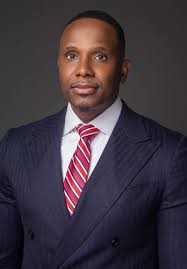
The United Democratic Party (UDP) has called for greater restraint and civility in political discourse in The Gambia, warning that rising levels of insults, personal attacks and divisive rhetoric risk undermining national unity and democratic culture.
In a statement issued by UDP Administrative Secretary for Media and Communications Saikou Camara, the party stressed that politics should be guided by respect for opponents, noting that disagreement must never translate into dehumanisation.
Camara said one of the greatest tests of political character is how individuals treat those they disagree with, adding that opponents remain human beings regardless of political affiliation.
He warned that insulting language in politics has the potential to damage relationships, polarise communities and weaken social cohesion.
“The tongue has no bone, but it can break a heart, destroy relationships, and burn down bridges that took years to build,” he said, quoting a popular saying.
The statement referenced past incidents of political rhetoric in the country, including remarks allegedly made by former Speaker Fatoumata Jahumpa Ceesay against opposition leader Ousainu Darboe, and noted that such conduct contributed to political tensions.
Camara also criticised what he described as a growing trend of hostile political communication under President Adama Barrow’s administration, saying it has contributed to a decline in the tone of public discourse.
He warned that personal attacks and tribal or divisive rhetoric are becoming increasingly normalised in the political space, a development he described as dangerous for national unity.
According to him, politics driven by insults and hatred has historically led to division and conflict in many societies, often beginning with verbal attacks and dehumanisation.
He urged political actors to challenge policies rather than individuals, stressing that respectful disagreement is a core principle of democracy.
“Respecting your opponents does not mean surrendering your beliefs. It means understanding that disagreement is part of democracy,” he said.
Camara further appealed to UDP members to maintain high ethical standards, noting that as an opposition party, they bear responsibility to lead by example in political conduct.
He acknowledged that UDP and its leader Ousainu Darboe have faced sustained criticism and attacks but urged supporters to respond with restraint and dignity.
He concluded by calling for unity and national healing, saying political leaders should aim to leave behind a united country rather than a divided one driven by resentment and hostility.
You’re using a less powerful model until your limit resets after 7:12 PM. Upgrade to get more access.