


By: Dawda M. Jallow
The Gambia has taken another major step towards digital transformation with the validation of the National Enterprise Architecture (EA).
This is a framework expected to guide how government institutions design, manage and deliver digital services across the country.
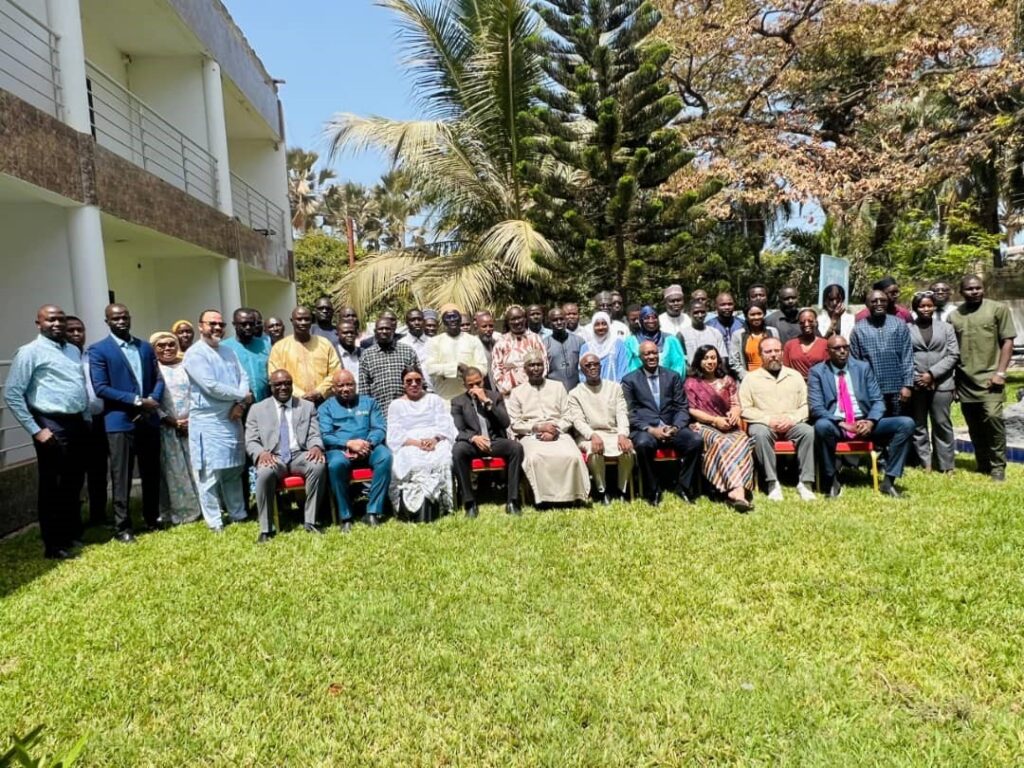
The final validation workshop, organised by the Gambia Information and Communication Technology Agency (GICTA) in collaboration with the International Telecommunication Union (ITU) and GovStack, was held on Wednesday at Metzy Hotel in Kololi under the theme: “Building an Integrated Digital Government.”
Speaking at the opening ceremony, GICTA Director Abdou Karim Jallow describes the initiative as a defining moment in the country’s digitalisation journey, noting that for the first time The Gambia is establishing a national enterprise architecture to improve coordination, data management and service delivery across public institutions.
“This is more than a technical achievement. It is the foundation for a more integrated, efficient, secure and citizen-centred government,” he said.
Jallow stresses that digital transformation is rapidly shaping governance worldwide and warns that The Gambia cannot afford to be left behind. He cites the on-going digitisation efforts at the Gambia Revenue Authority as an example of how technology is improving public service delivery and tax administration.
Minister of Public Service, Administrative Reforms, Policy Coordination and Delivery, Baboucarr Bouy, said the framework would help address long-standing challenges caused by fragmented digital systems developed independently by institutions without common standards or interoperability.
According to him, the new architecture will provide a shared roadmap for how government systems are designed, integrated and secured across ministries and agencies.
Minister of Communication and Digital Economy, Lamin Jabbi also described digital transformation as central to national development, saying value creation, coordination and effective communication must remain at the heart of the process.
Officials said the framework, supported by the World Bank-funded West Africa Regional Digital Integration Programme, was expected to strengthen efficiency, transparency and collaboration within government institutions.