


By Isatou Sarr
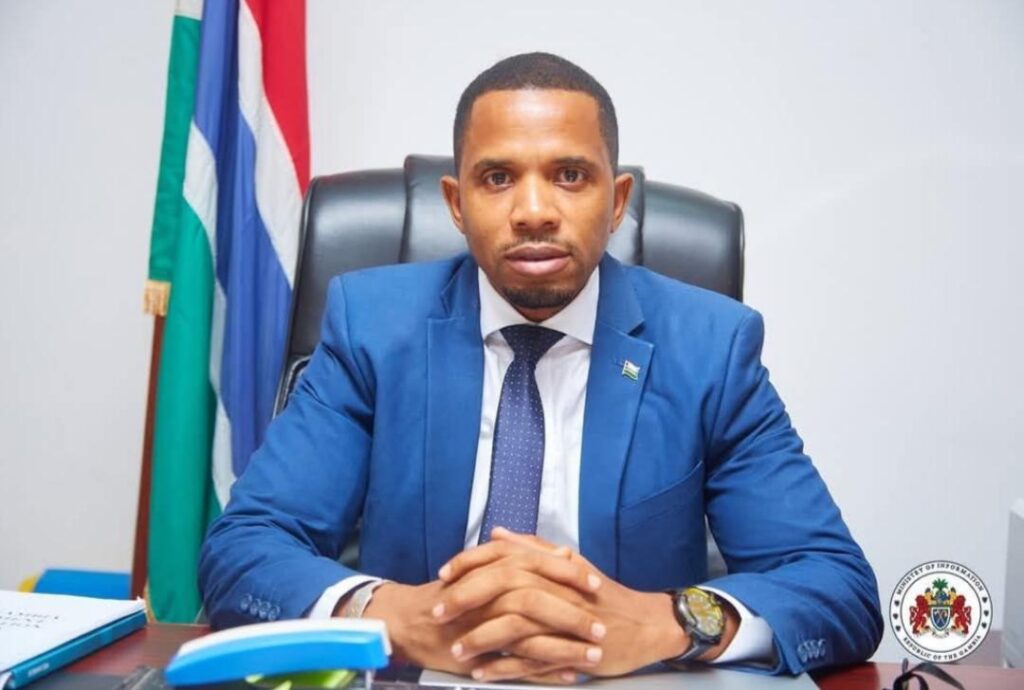
The Minister of Information, Dr. Ismaila Ceesay, has said government cannot abruptly remove fuel taxes without disrupting national fiscal operations, amid ongoing public concerns over rising fuel prices.
Speaking over “Coffee Time” programme hosted by journalist Peter Gomez, Dr. Ceesay says fuel taxation forms part of government’s broader revenue system used to finance essential services, including healthcare, education, infrastructure, and security.
The discussion centered on rising fuel costs and public concerns over claims that nearly D30 per litre of fuel goes to government taxes.
Responding to questions from callers, the minister says government revenue from fuel is already allocated within the national budget to meet approved expenditure.
“We cannot forego all the taxes and expect government to function,” he remarked.
Dr. Ceesay explained that government spending plans depend on projected revenues used to fund salaries, public services, and development projects.
He warned that removing fuel taxes abruptly would undermine fiscal stability and affect the government’s ability to meet its financial obligations.
The minister notes that government has introduced fuel subsidies to cushion the impact of global price increases, adding that pump prices would have been higher without such interventions.
“What we are trying to do is find a balance between cushioning the impact on the people and ensuring that government continues to function,” he said.
Dr. Ceesay attributed rising fuel prices largely to international market conditions, including global oil price fluctuations and geopolitical tensions affecting supply chains.
He says these external factors are beyond government control and require gradual policy responses rather than sudden changes.
The minister also clarified that fuel taxes are not new, saying they form part of a long-standing fiscal framework rather than recent policy adjustments.
“The government is not imposing new taxes on fuel because of the war,” he said.
Despite public concern over the cost of living, Dr. Ceesay points out that government remains committed to stabilizing fuel supply and monitoring market conditions.
He added that authorities are working to ensure steady availability of fuel in the country while balancing economic pressures.