


By: Isatou Sarr
Gambian judiciary in collaboration with two organisations have held two-day training on plea bargaining aimed at strengthening efficiency and fairness within the country’s criminal justice system.
The judiciary is collaborating with Pepperdine University and the Alternative Dispute Resolution Secretariat (ADRS) to carry out the training.
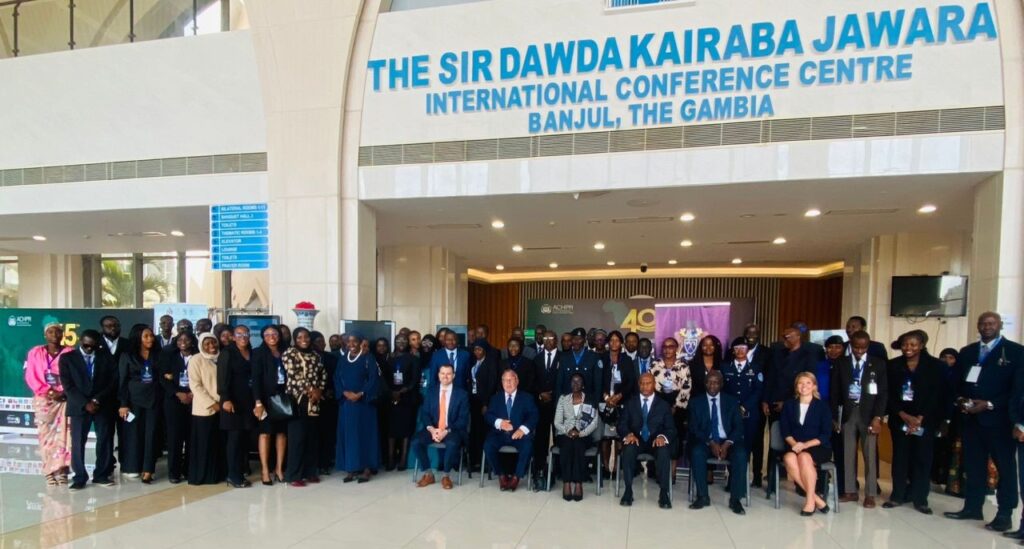
The training, which opened on Thursday, brought together judges, magistrates, prosecutors and legal practitioners to discuss the legal framework, practical application and safeguards surrounding plea bargaining in The Gambia.
Speaking at the opening ceremony, Solicitor General and Legal Secretary Hussein Thomasi described the partnership with Pepperdine University as productive and impactful, noting that the institution has continued to support the Gambian judiciary through specialised trainings.
He said the collaboration between the Judiciary and Pepperdine University started last year and has already produced important engagements, particularly in the area of plea bargaining.
According to him, the continued training comes at a critical time when the justice sector requires support across various areas, especially as the country begins operationalizing aspects of its transitional justice programme.
“Our transitional justice programme had been on pause, but with the appointment of a special prosecutor, work has now started on establishing the office,” he said. “These trainings are absolutely crucial because they will help strengthen the work environment of the special prosecutor and other justice actors.”
Delivering remarks on behalf of the Chief Justice, Hon. Justice Awa Bah said plea bargaining could play a major role in reducing delays in criminal proceedings while saving time and costs within the justice system.
She added that the process could also reduce the emotional burden often placed on victims and witnesses who are required to repeatedly appear before the courts.
“We know what victims and witnesses go through when they come to court, especially in cases involving gender-based violence,” Justice Bah said. “Some victims become traumatised all over again during court proceedings, and plea bargaining can help minimise that experience.”
Justice Bah thanked Pepperdine University and ADRS for supporting the initiative, expressing hope that participants would leave the training better informed on both the benefits and limitations of plea bargaining.
The programme is also expected to feature group discussions where participants will examine challenges and share practical approaches to applying plea bargaining effectively in Gambian courts.