


By Isatou Sarr
The Gambia Wednesday rolled out a major agricultural infrastructure project with the submission of land development survey reports and engineering design plans for the construction of access and feeder roads.
The Regional West African Resilient Value Chain Development (REAWRD) Programme received the reports and engineering design plans.
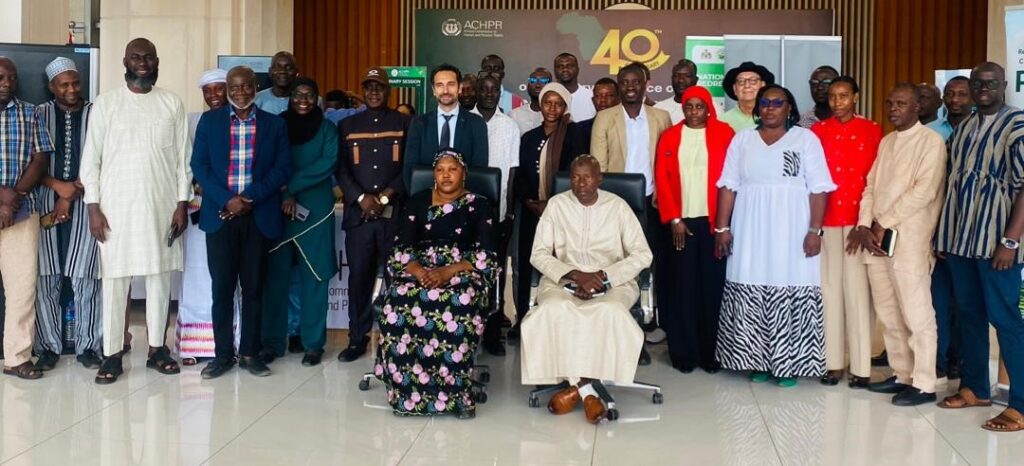
The handover ceremony took place on Wednesday, 14 May 2026, at the Banjul International Conference Centre, bringing together government officials, development partners and technical experts involved in the programme.
The designs were prepared by Italian engineering firm Hydro Nova and cover extensive land development and road construction works aimed at improving access to rice-growing areas and strengthening rural transport networks within REAWRD intervention zones.
The programme is intended to boost rice production, productivity, processing and marketing, reduce import dependency, and support The Gambia’s goal of achieving rice self-sufficiency by 2030, while also creating employment opportunities for women and young people.
Speaking at the ceremony, Hydro Nova Managing Director Paolo Mastrocola says the project targets the development of about 3,000 hectares of rice fields alongside supporting road infrastructure to improve farm access and transport.
He said the project had progressed from feasibility studies to detailed surveys and final designs, adding that the next phase would move into procurement and construction.
“This is a major step for the agriculture sector in The Gambia,” he said, noting that improved infrastructure would significantly enhance productivity and market access for farmers.
Central Projects Coordination Unit (CPCU) Coordinator Mamour Alieu Jagne described the development as a key milestone in the country’s drive toward rice self-sufficiency.
He said the designs would improve water management, expand cultivable land, and increase yields in line with national agricultural targets.
According to him, REAWRD is expected to contribute about 3,000 hectares, potentially enabling up to 6,000 hectares under double-cropping systems.
Project Director Bakary K. Sanyang says the initiative remains central to government efforts to achieve rice self-sufficiency by 2030, with a strong focus on land development, rehabilitation and infrastructure.
He added that the project includes about 12 kilometres of feeder roads and 10 kilometres of access roads to support production and distribution.
Permanent Secretary at the Ministry of Agriculture, Alhagie Nyangado, said completion of the design phase would enable timely implementation of the works within the project cycle.
He said the documents would be reviewed and submitted for final approval before construction began.