


By Haddy Touray
The Chairman of the Independent Electoral Commission (IEC), Joseph Colley, has assured Gambians of his commission’s commitment to delivering “free, fair, and transparent elections” in the upcoming 2026 presidential and 2027 National Assembly polls.
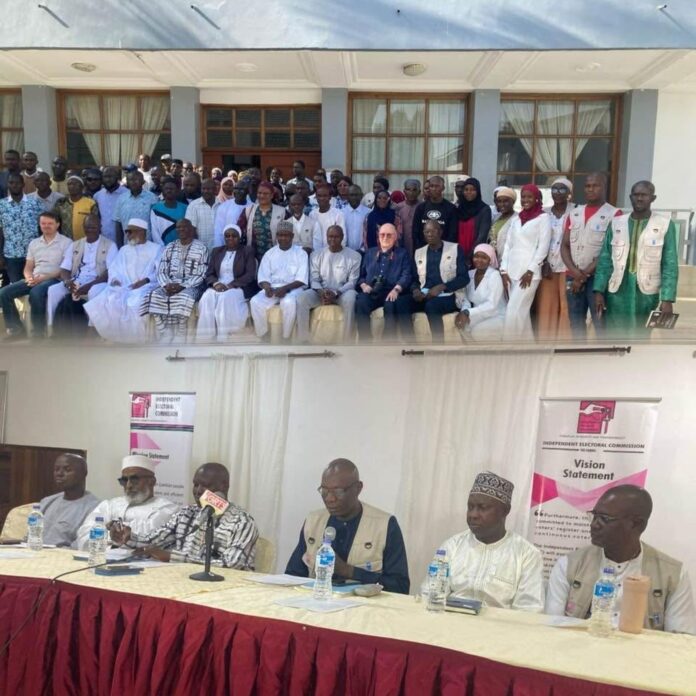
Colley made the statement while addressing training sessions for election officials and IEC staff ahead of the supplementary voter registration exercise and the planned digitalisation of parts of the electoral process.
He said all major steps in the electoral cycle would involve broad consultation and the endorsement of relevant stakeholders to ensure transparency and inclusivity.
“The digitalisation of the election process will strengthen transparency and ensure fast transmission of election results to the general public and stakeholders alike,” Colley said.
The supplementary voter registration exercise is scheduled from April 8 to May 21, 2026, with 100 registration teams to be deployed nationwide. Eligible participants include first-time registrants, those who missed the 2021 registration, citizens turning 18 by December 5, 2026, and those previously abroad. Registration centres will operate daily, including weekends and public holidays.
Colley outlined plans to introduce digital tools ahead of the presidential election on December 5, 2026, followed by National Assembly elections in April 2027 and local government polls thereafter. Initiatives include Geographic Information System (GIS) mapping of polling stations, distribution of tablets to election supervisors for real-time data collection, and the installation of large television screens at collation centres to display results as they come in.
“These measures will make it easier for election observers, journalists, and the general public to locate polling stations and access results quickly, thereby reducing suspicions of irregularities,” Colley explained. He added that digital tools would complement, not replace, manual transmission of results.
The IEC also clarified procedures for voter card replacements and transfers, stressing that services must be conducted in the region of original registration, with no fees applied.
Observers note that the supplementary registration and digital enhancements aim to modernise The Gambia’s electoral system while maintaining manual safeguards, addressing long-standing concerns over trust in the electoral process.