


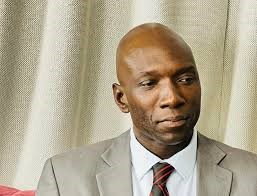
By Haddy Touray
Dr. Ousman Gajigo, a senior member of the Gambia For All Party, has expressed serious concerns over findings contained in the National Assembly Special Select Committee’s report on the disposal of assets belonging to former president Yahya Jammeh.
Dr. Gajigo says the report presents troubling revelations of administrative incompetence, institutional dysfunction and governance failures in the management and disposal of the former leader’s assets.
According to him, while the country was emerging from years of dictatorship and undergoing a complex political transition, the scale and apparent openness of the alleged wrongdoing outlined in the report remain deeply concerning.
He notes that the findings suggest problems that go beyond isolated incidents of misconduct, pointing instead to what he described as systemic failures across several state institutions.
Among the institutions cited in the report are the Ministry of Justice, the Registrar of Companies, the Board of the Gambia Tourism Board, the Department of Lands and the Gambia Livestock Marketing Agency.
The report, he said, highlights issues including alleged alteration of official records, lack of clear procedural frameworks, disregard for court orders, failure to adhere to professional responsibilities and weak institutional oversight.
Dr. Gajigo further noted that some of the alleged irregularities involved senior officials who were expected to uphold the highest standards of professional conduct. He cited former Attorney General Abubacarr Tambadou as one of the officials mentioned in connection with the matter.
The assets referenced in the report reportedly include livestock, wildlife, agricultural machinery, aircraft, bank deposits, financial holdings and landed property, with their estimated value running into billions of dalasis.
Dr. Gajigo warned that the situation could have lasting implications for public trust in government institutions if accountability measures are not pursued.
He also referred to earlier accountability processes, including the work of the Janneh Commission and the Truth, Reconciliation and Reparations Commission, noting that Gambians have become familiar with official reports detailing alleged wrongdoing.
He expressed concern that recommendations contained in such reports often fail to receive adequate follow-up action, adding that many citizens remain skeptical about whether meaningful legal proceedings will result from the latest findings.