


By Haddy Touray
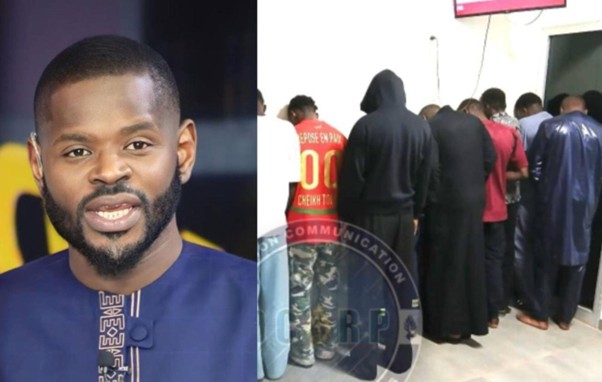
The trial of Pape Cheikh Diallo, Djiby Dramé, and other defendants accused of “unnatural acts” and “willful transmission of HIV” in the paedophile case is creating an unprecedented ethical dilemma for Senegalese lawyers.
According to Les Échos, nearly 40 defendants face prosecution, but only eight lawyers—mostly younger practitioners—have agreed to represent them.
The newspaper reports that reluctance among lawyers, despite reportedly high fees, stems from social pressure, religious beliefs, and fear of stigma.
Several lawyers interviewed by Les Échos cited societal judgment as a major deterrent. One lawyer, speaking anonymously, said: “I don’t even want people to know that I’m involved in this case. It’s a very sensitive matter. You hesitate many times before taking it on, and you even have to consult your close ones before committing.”
In Senegal, lawyers are often associated with the causes they defend, and some fear being labeled “the lawyer of the goordjiguènes” (homosexuals), which could damage their personal or firm reputation. The concern is particularly acute for lawyers pursuing a political career.
A young lawyer explained: “There is something disgraceful about it, which makes many lawyers not want their names associated with these acts.”
Religious considerations also influence decisions. One lawyer approached for the defense said: “I cannot take this case. Never. When I read a passage in the Quran where God says it is the worst of abominations, I cannot accept it.”
He added that financial incentives were irrelevant: “I don’t want this money to benefit my family. It’s money unfit for consumption.”
Other lawyers emphasised that the right to legal defence is fundamental. A senior lawyer with over 30 years of experience stated: “Even the greatest criminal has the right to a lawyer. I took an oath to defend the widow and the orphan. If someone hires me and pays me accordingly, I will defend them accordingly. That is my job.”
Another lawyer drew a parallel with the medical profession: “A lawyer defends a case; he does not defend a goordjiguène. It’s like a doctor with a patient: he cannot refuse treatment because of their status.”
Some lawyers have accepted the case on principle, sometimes without fees. One explained: “I took the case because I did not like certain things that happened at the brigade that day. But I did not ask for any fees.”
Les Échos notes that public opinion continues to exert pressure on lawyers.
“In Senegal, it is common to equate a lawyer with the cause they defend,” a source said.