


By: Haruna Kuyateh
Women vegetable growers in Njoufen Village, Lower Nuimi District are facing persistent water shortages affecting dry-season production.
The gardeners have appealed to the government and non-governmental organizations (NGOs) to support their garden with a dedicated borehole to address persistent water shortage.
Vegetable farming is the main economic activity for women and youths in Njoufen and surrounding communities during the dry season, serving as a vital source of income and household nutrition.
The community garden established with support from the EU-funded TEKKI FII Project was fenced with cement blocks. Community members have commended the project for providing the permanent fence, which has enhanced security and protected crops from stray animals.
However, the garden does not have a standalone borehole and relies on the village’s main water source. According to the farmers, frequent breakdowns of the community borehole have disrupted irrigation schedules, delayed production cycles and negatively affected incomes and social wellbeing.
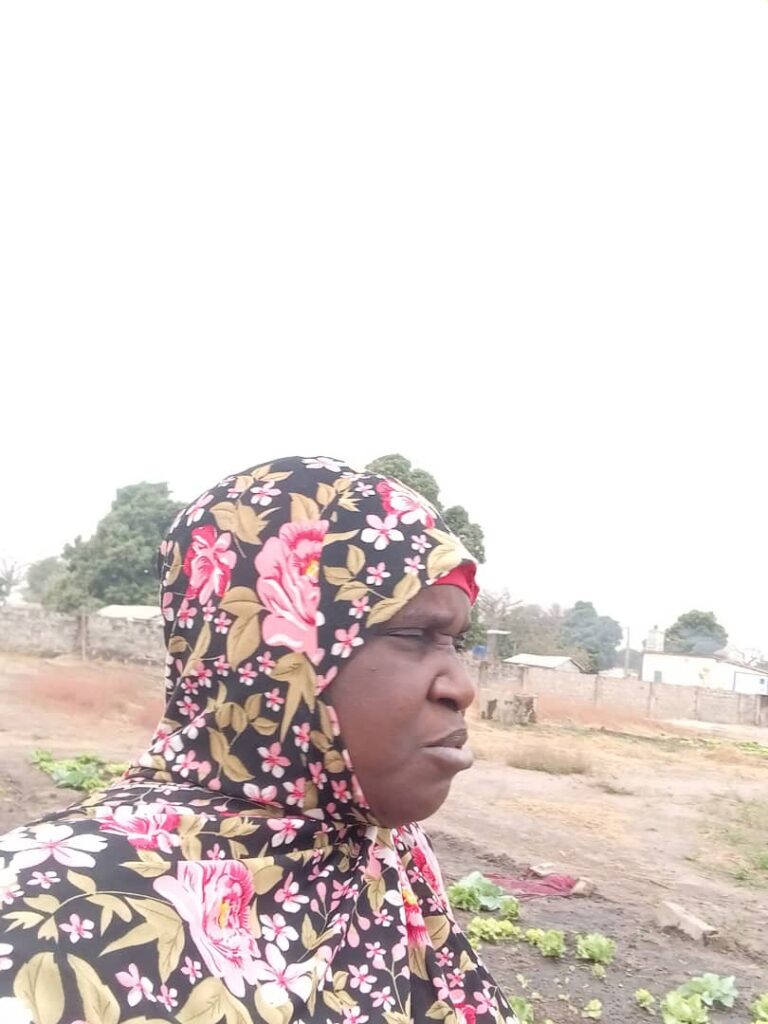
Speaking to The Voice newspaper, the women’s leader, Haddy Joof, said the shared borehole system had significantly slowed vegetable production.
She disclosed that 76 women are actively engaged in gardening, each cultivating five recommended beds per season. She added that the establishment of the garden by an NGO has improved household nutrition and strengthened the economic wellbeing of women and their families.
The farmers promote the use of organic manure, including liquid fertiliser derived from fish waste, as well as responsible pesticide management practices. According to Joof, these methods help to improve soil fertility, increase yields and income, and support climate-smart agriculture initiatives aimed at mitigating the effects of climate change.
The women have urged the Ministry of Agriculture and development partners to consider drilling a borehole for the garden to ensure sustainable production and improved livelihoods.