


By Haruna Kuyateh
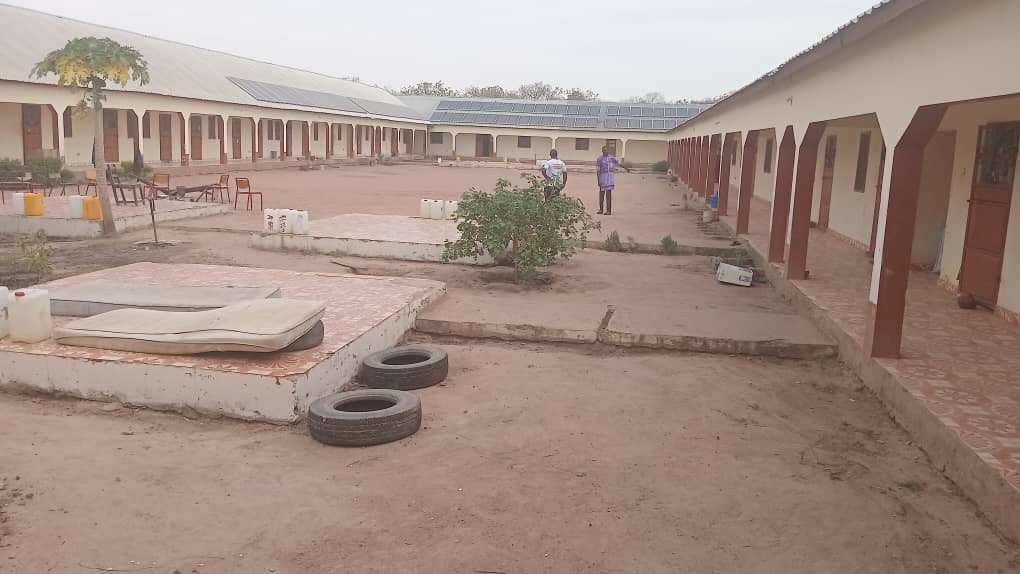
Holistic Agribusiness Solution (HAS), under the Rural Development Organization (RDO) of Balingho, is providing agribusiness training and a loan support scheme to youths to tackle unemployment, food insecurity and irregular migration.
Established in 2019 by the Sabab Lou Foundation of Germany, HAS aims to complement government initiatives by equipping young people with practical agricultural skills and entrepreneurship training. The programme focuses on agribusiness development, modern production techniques, and value chain enhancement, creating opportunities for sustainable livelihoods for Gambian youths.
Momodou Y. Bah, Chief Executive Officer of HAS, said the centre is committed to training youths in integrated agriculture and entrepreneurship. “The training covers crop production, livestock breeding, poultry farming, food processing and marketing techniques,” he explained.
Mr. Bah said RDO began its first phase with strong community support, including the establishment of vegetable gardens and provision of water facilities to improve livelihoods. Since its inception, the centre has trained youths in horticulture, poultry, livestock, aquaculture, and food processing. He thanked the community for donating 18.5 hectares of land for the centre’s establishment and expansion, noting that donor support has also enabled women to benefit from a one-hectare vegetable garden.
He added that donor partners have launched a loan scheme to enable former trainees to access finance. In partnership with the Food and Agriculture Organization (FAO), the centre is providing mentorship and coaching to 10 former students, with the five best-performing beneficiaries receiving a materials grant of D290,000 to support their agricultural ventures.
On sustainability, Mr. Bah said the centre currently finances about 65 per cent of its operations and called for government support to consolidate its achievements. He also urged parents to encourage their children to acquire agricultural skills as a way of discouraging irregular migration.
Trainee Safiatou Suwareh from Kani Kunda in the Lower River Region expressed appreciation for the programme, saying it has strengthened her agricultural skills. She encouraged youths to seize opportunities offered by government and development partners to become job creators and contribute to food security.
Princess M. Solee, a Liberian national undergoing a two-year intensive agriculture programme, described her experience as transformative. “Young people, with passion and commitment, can contribute to changing food production systems and achieving self-reliance,” she said, pledging to share her knowledge with other youths.