


Women’s Affairs:
With Fatou Krubally
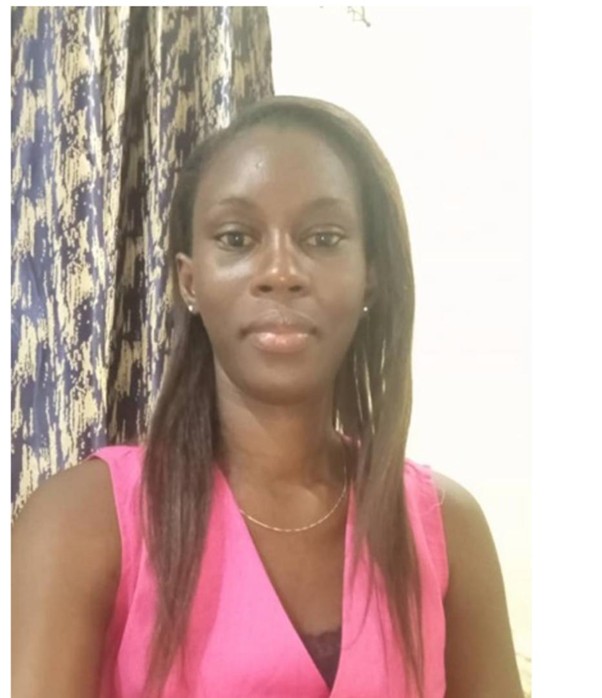
In a society where many young women are still expected to follow narrow paths of opportunity, Rohey Bah is quietly charting her own course. A young Gambian poultry farmer based in Sanyang, Rohey represents a growing group of women redefining success through resilience, innovation, and hard work in sectors traditionally dominated by men.
In an interview with The Voice Newspaper under the Women Affairs column, Rohey shared her journey into poultry farming—a venture born not out of convenience, but out of necessity, vision, and a strong desire for financial independence.

A recent college graduate, Rohey entered the job market with optimism, only to confront the harsh realities of low wages and limited opportunities. She explained that her decision to venture into farming was largely influenced by her observations of the education sector, particularly teachers’ salaries.
“After graduating from college, I realized that teachers’ pay in this country is very low,” she said. “I asked myself what side hustle I could do to help myself and push myself to the next level. That question stayed with me, and it motivated me to go into poultry farming.”
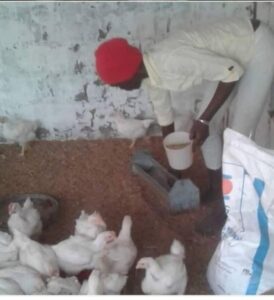
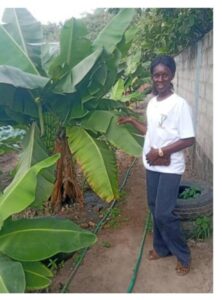
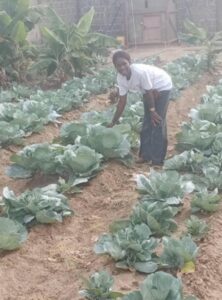
What began as a side hustle soon evolved into a full-fledged business. Today, Rohey runs a poultry farm while also growing crops, making agriculture her primary source of livelihood. However, she is quick to emphasize that farming is far from easy.
“Agriculture is like a rollercoaster,” she said. “There are many things you don’t even expect. Sometimes there are losses, sometimes there are difficulties in selling. But in all of that, I thank Allah, because at the end of the day, the benefits are more than the challenges.”
One of the most difficult aspects of poultry farming, according to Rohey, is managing disease outbreaks. Poultry diseases spread rapidly, and when not detected early, they can wipe out an entire flock within days.
“There are sicknesses you cannot control,” she explained. “If you don’t recognize them early, it becomes an outbreak that kills most of the hens. That is very painful because you see your hard work and investment disappearing.”
Marketing presents another major challenge. Demand for poultry in The Gambia is highly seasonal, peaking during Ramadan and Christmas. Outside these festive periods, sales often decline, making it difficult to maintain consistent income throughout the year.
“Most people focus on poultry during Ramadan,” she said. “So, making it consistent all year round is a big challenge.”
Selling wholesale also comes with difficulties. While bulk buyers help move stock quickly, delayed payments can strain the business.
“Sometimes you supply people at the market, but collecting your money takes time,” she noted. “That affects your cash flow.”

To address this, Rohey is exploring direct sales to individuals, a strategy she believes will reduce dependence on middlemen and improve profitability. While the approach requires patience and strong customer relationships, she sees it as a necessary step toward sustainability.
Beyond financial and operational hurdles, Rohey’s journey has been shaped by social perceptions. Poultry farming is widely viewed as a male-dominated field, and as a young woman, she often faces skepticism and discouragement.
“As a young lady going into poultry farming, it is challenging,” she said. “Some people think you shouldn’t be doing it. They believe it’s hard work meant for men.”
She explained that some men openly suggest women should “stay in their lane” and focus on activities traditionally associated with women, such as tailoring or small-scale trading.
“They think farming is for men,” Rohey said. “But I see it as an opportunity to defy the odds and show that what a man can do, a woman can also do.”
Although the work is physically demanding—a factor that discourages many women—Rohey believes difficulty should never determine who participates in economic activities.
“Some women see this job as too difficult,” she said. “But if the benefit is there, why not?”
Her determination is driven by passion and long-term vision. For Rohey, women’s participation in agriculture is not just about income, but about empowerment, self-confidence, and changing societal attitudes.
“We may not always be equal in everything,” she said, “but we can also do our small things and grow them into something meaningful.”
Today, Rohey Bah’s poultry farm stands as more than just a business in Sanyang. It is a symbol of courage, persistence, and the quiet strength of young Gambian women who refuse to be limited by stereotypes.
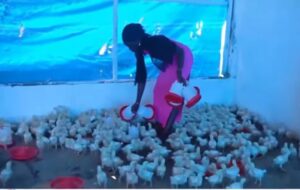

As The Gambia continues to grapple with youth unemployment and economic inequality, stories like Rohey’s highlight the importance of supporting women in non-traditional sectors. With the right training, access to markets, and institutional support, women farmers like Rohey can play a vital role in national development.
For Rohey Bah, the journey is still unfolding. But one thing is certain: she is not waiting for society’s approval to succeed. She is building her future—one step, one flock, and one harvest at a time.