


By Fatou Krubally
The Gambia Revenue Authority (GRA) has introduced a three-tier tax dispute prevention and resolution mechanism aimed at promoting fairness, transparency, and trust between the tax authority and taxpayers.
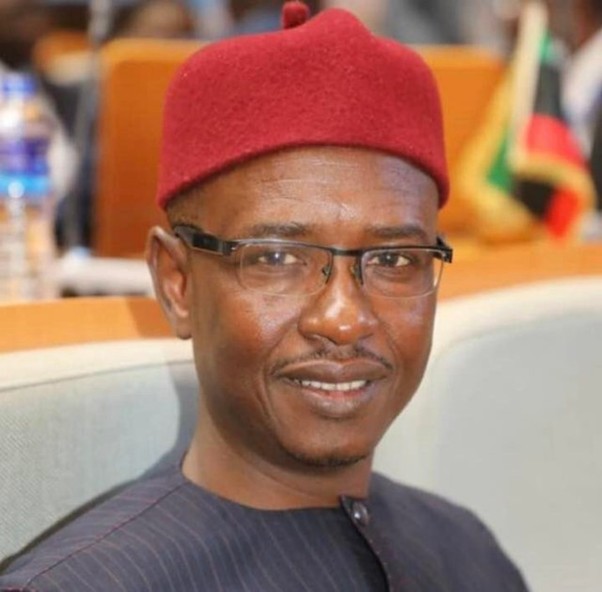
The initiative was unveiled on Wednesday during a sensitisation workshop at Ocean Bay Hotel, where the Deputy Commissioner General (DCG), Essa Jallow, urged taxpayers to familiarise themselves with their rights and obligations under the country’s tax laws.
Speaking on behalf of the Commissioner General, Jallow said disputes between taxpayers and tax authorities are inevitable, but stressed that an effective, independent, and transparent mechanism is essential for resolving such disagreements.
“Tax administration cannot be one-way traffic. We are in this together,” he said, noting that the new framework is designed to ensure fairness while safeguarding government revenue for national development.
The dispute resolution system forms part of wider tax administration reforms by the GRA, including the rollout of a new Integrated Tax Administration System (ITAS), funded by the World Bank. The reforms are intended to modernise domestic revenue administration, improve efficiency, and reduce compliance costs for taxpayers.
Earlier, the Deputy Commissioner for Small and Medium Taxpayers, Marri Sarr, highlighted the importance of taxpayer education, noting that many disputes arise from misunderstandings related to registration, accurate declarations, and timely tax payments.
Under the self-assessment system, taxpayers are expected to accurately declare their tax liabilities. However, Jallow said taxpayers now have structured avenues to challenge assessments arising from audits or third-party information.
“The objective is not to collect more or less, but to collect the right revenue,” he said, adding that unresolved disputes undermine certainty and voluntary compliance.
Jallow also disclosed that once the reforms are fully implemented, most taxpayer interactions with the GRA will be conducted electronically, allowing registration, filing, payment and dispute resolution to be carried out online.
“This will make tax compliance easier, cheaper and more transparent,” he said, noting that reduced physical interaction would also improve accountability.
The workshop targeted taxpayers in the Kanifing Municipal Council area, although the GRA said engagement would continue nationwide. Jallow thanked the World Bank for supporting the reforms and described tax payment as a civic duty essential for funding public services and infrastructure.