


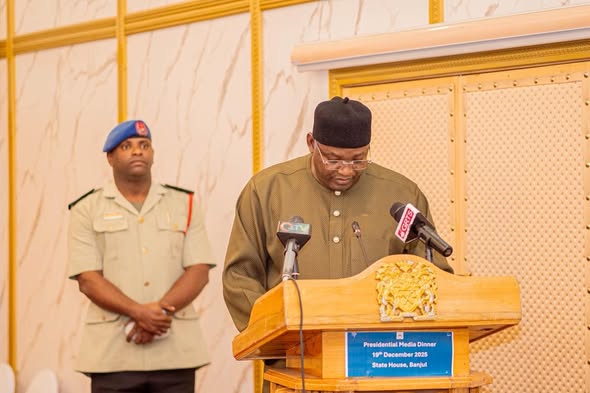
The media, in any democracy, is not merely a chronicler of events—it is a central pillar in shaping public discourse, informing citizens, and fostering accountability. In The Gambia, this role has grown stronger over the past eight years, reflecting the country’s steady progress in governance, development, and press freedom.
Recent rankings underscore this achievement. Since 2017, The Gambia has risen from a restrictive media environment to securing the 58th spot out of 180 countries in the 2025 World Press Freedom Index. This improvement reflects both government commitment to media freedom and the professionalism of journalists across the nation.
The challenges facing the media are real, and with freedom comes responsibility. Balanced reporting, constructive criticism, and the promotion of national stability are all part of the professional and moral duty of journalists. In a country often highlighted for political news rather than conflict or disaster, the Gambia stands out as a beacon of democratic vibrancy and peace.
Government efforts to strengthen the media have been tangible. The enactment of the Access to Information Act, the establishment of the Media Commission, and the Cyber Security Act have all created legal frameworks to safeguard professionalism and uphold democratic principles. Moreover, plans for a permanent Gambia Press Union headquarters signal recognition of the media’s critical role in society.
For journalists, editors, and media owners, the call is clear: continue to uphold integrity, advance public knowledge, and contribute positively to the nation’s narrative. By doing so, we ensure that The Gambia’s story is one of progress, stability, and promise—a story worth telling, both at home and on the world stage.