


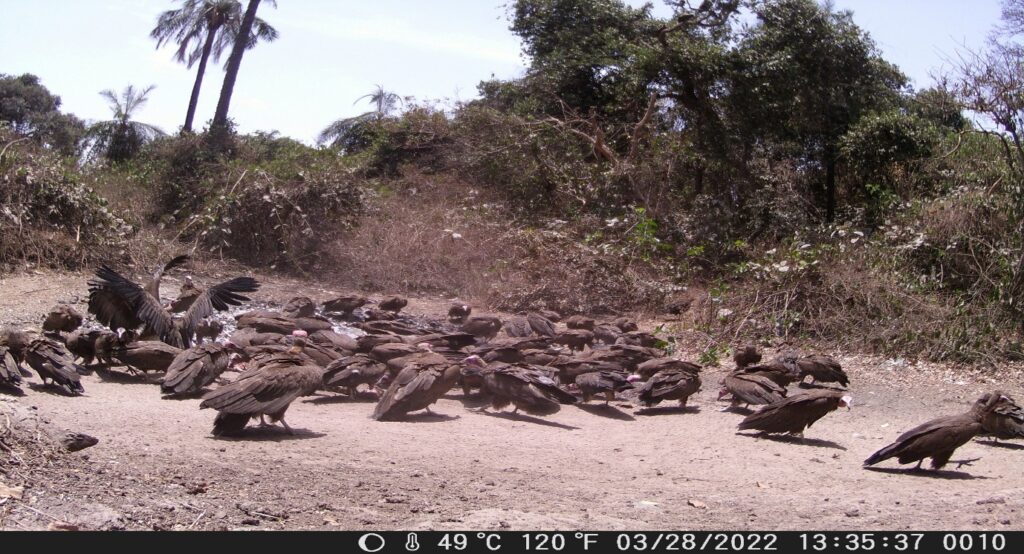
By: Lamin B. Darboe
The Department of Parks and Wildlife Management (DPWM), West African Bird Study Association (WABSA), and Falconry Experience Wales/Africelt Vulture Research Unit will join the rest of the world to raise awareness about vultures, which are essential yet often misunderstood.
International Vulture Awareness Day (IVAD) will be observed on September 6, 2025, in The Gambia. The event will feature a nationwide vulture survey and a series of radio talk shows on regional radio stations across the country.
Speaking ahead of the event, Mr. Mawdo Jallow, Deputy Director of the Department of Parks and Wildlife Management, underlined the significance of the day, especially in light of the alarming decline of vulture populations in recent years.
“We have lost many vultures due to harmful beliefs and practices. September 6, 2025, will allow us to educate the public and empower them to take action. If anyone witnesses the killing of vultures in the country, report the matter to the nearest police station,” Mr. Jallow appealed to the public.
According to Mr. Jallow, the day will serve not only as a day of recognition but also as an opportunity for individuals of all ages to engage in conservation efforts.
Mr. Fagimba Camara, Head of the Research Unit at the West African Bird Study Association (WABSA), stated that the day aims to educate local communities about the importance of vultures within our environment.
Mr. Camara called on the public to conduct educational sessions, share vulture photographs online, and use the hashtag #VultureDay to amplify the message about the importance of September 6.
Mr. Dembo Sonko, a bird guide, emphasized the critical role vultures play in our ecosystems by cleaning up carrion, recycling nutrients, and preventing the spread of disease.
Unfortunately, he added, many vulture species are in danger, facing threats such as poisoning and habitat destruction. IVAD provides a global platform for raising awareness about these vital creatures and highlights the urgent need for collective action in their conservation.