


By: Binta Jaiteh
Prominent environmentalist, Mustapha Manneh has urged the government to avoid exploitative fishing agreement with foreign vessels.
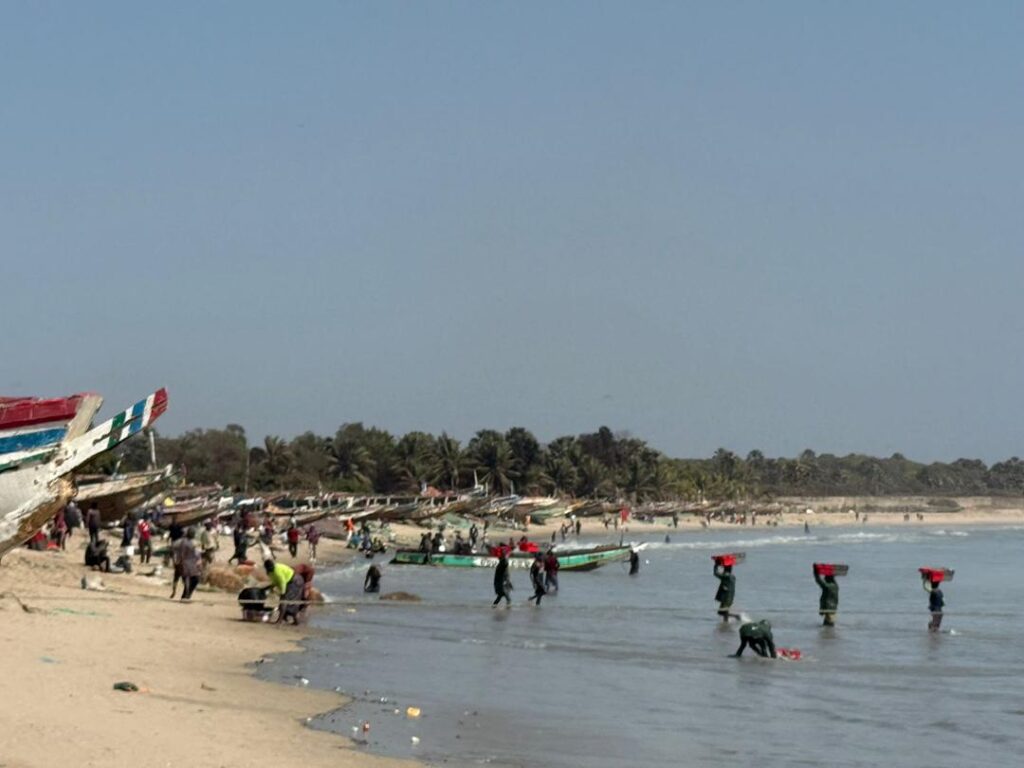
In an exclusive interview with The Voice Newspaper on Monday, Manneh says fishing is crucial for Gambia’s economy as it provides jobs and food security for many people.
He says despite that the sector faces numerous challenges including overfishing, illegal fishing practices, and the impacts of climate change on fish stocks.
“Fishing is deeply ingrained in the culture of many coastal communities and serves as a vital protein source for the population,“ he noted. Manneh reiterated that Gambia should avoid exploitative fishing agreements that primarily deplete fisheries resources without providing substantial benefits in return.
“It is essential to revise these deals to ensure a fair share of the catch and to closely monitor fishing operations,“ he stated.
“The fish shortage in Gambia is a serious issue stemming from a combination of factors such as overfishing by foreign vessels, illegal fishing, and the operations of fishmeal factories.” “These factors reduce fish catches, forcing local fishermen to venture further out to sea and impacting the availability and affordability of fish for local communities. The proliferation of fishmeal plants has significantly contributed to this situation,“ he noted.
To address the challenges in the fishing sector, he says government should implement sustainable fishing practices, combat illegal fishing, promote the use of responsible fishing gear. He further suggested that government should establish marine reserves, and support the development of value-added products from fisheries.
He emphasizes that climate change is causing significant changes in ocean salinity, which seriously affects marine life in Africa. “The melting of glaciers and shifts in evaporation and rainfall patterns are altering salinity levels. These changes disrupt aquatic ecosystems, affecting species distribution, reproduction, and overall biodiversity,” he added.
According to him, the country generates a significant amount of plastic waste daily much of which is not properly managed leading to pollution in coastal areas and the ocean.
“This environmental crisis does not only damage ecosystems but also affects tourism, jobs, and food safety. Marine animals, including sea turtles, birds, and mammals, often become entangled in plastic items,” he observed.
“Ocean dumping in The Gambia, particularly through plastic waste and fishmeal wastewater, severely impacts marine life. This pollution destroys habitats, causes entanglement, and leads to the ingestion of harmful substances, “Manneh added.