


By: Isatou Sarr
The Ministry of Environment, Climate Change and Natural Resources (MECCNAR) has begun a nationwide consultation process to draft The Gambia’s first-ever Climate Change Bill
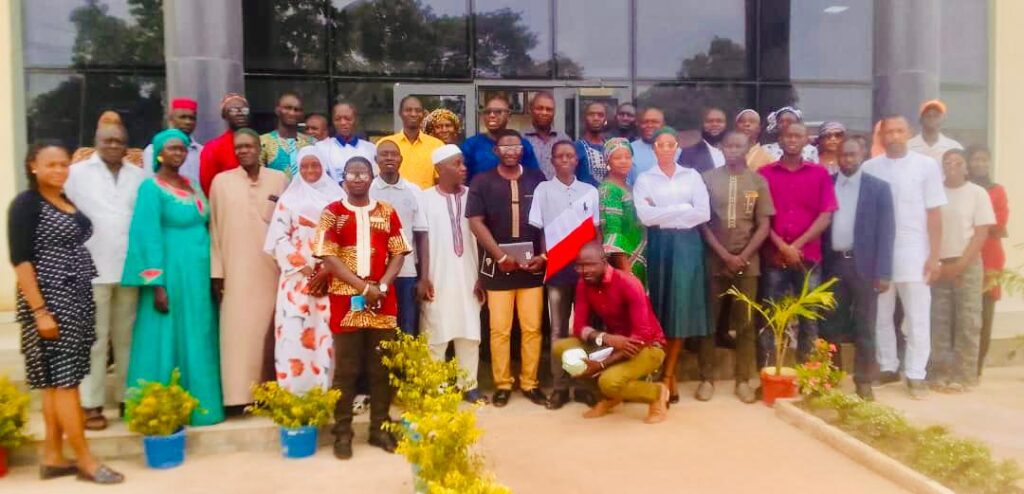
The consultation which wrapped up its regional leg at the Brikama Area Council on Monday, 14th July was supported under the West Africa Coastal Area Management (WACA) Project.
The aim of the exercise is to gather views from local councils and community structures across the country. The goal is to ensure that the new law reflects the realities and aspirations of Gambians facing climate change impacts daily.
Speaking at the Brikama forum, Modou Cham, Principal Climate Change Officer at MECCNAR, described the exercise as a “national call” to shape a robust legal framework that will guide the country’s climate response. He thanked the Brikama Area Council for hosting and acknowledged WACA for funding the consultation process.
Cham explained that once enacted, the Climate Change Bill would provide The Gambia with a formal and binding regulatory framework. It will clearly define roles and responsibilities for implementation, set out policy measures and targets for climate change mitigation and adaptation, as well as establish mechanisms for enforcement and compliance.
“The bill will help us tackle climate-related challenges, promote sustainable development, and build a climate-resilient future for our country and people,” Cham said. “It is also key for good governance, meeting international obligations, addressing specific vulnerabilities, and unlocking access to climate finance. Public awareness and participation are also central to this effort.”
Maximus Ugwuoke of Natural Eco-Capital, the consulting firm supporting the bill’s development, said the Gambia’s approach stands out for its inclusivity. He noted that the bottom-up method being used engaging people on the front lines of climate impact makes the Gambia the first country to fully adopt this model in developing a national climate law.
“This is a very serious national assignment,” Ugwuoke said. “We have supported many other countries to develop similar bills, but the Gambian process is unique in the way it listens first to those affected.”
Ugwuoke thanked the Ministry for ensuring broad participation and pledged his team’s commitment to delivering a framework that meets international standards while staying rooted in local realities.
As the regional consultations conclude, stakeholders say the next steps will involve drafting the bill and returning to communities for final inputs before it is tabled for approval.