


By: Fatou Krubally
The National Environment Agency (NEA) on Friday unveiled plans for a major new project to strengthen climate resilience in the Greater Banjul Area, as rising floods, coastal erosion and drought continue to threaten communities across the urban region.
The initiative, called the Climate-resilient Banjul: Enhancing Urban Resilience in the Greater Banjul Area (CLIMB) project, is backed by US$14 million grant from the Global Environment Facility (GEF) and will be implemented in partnership with the United Nations Environment Programme (UNEP).
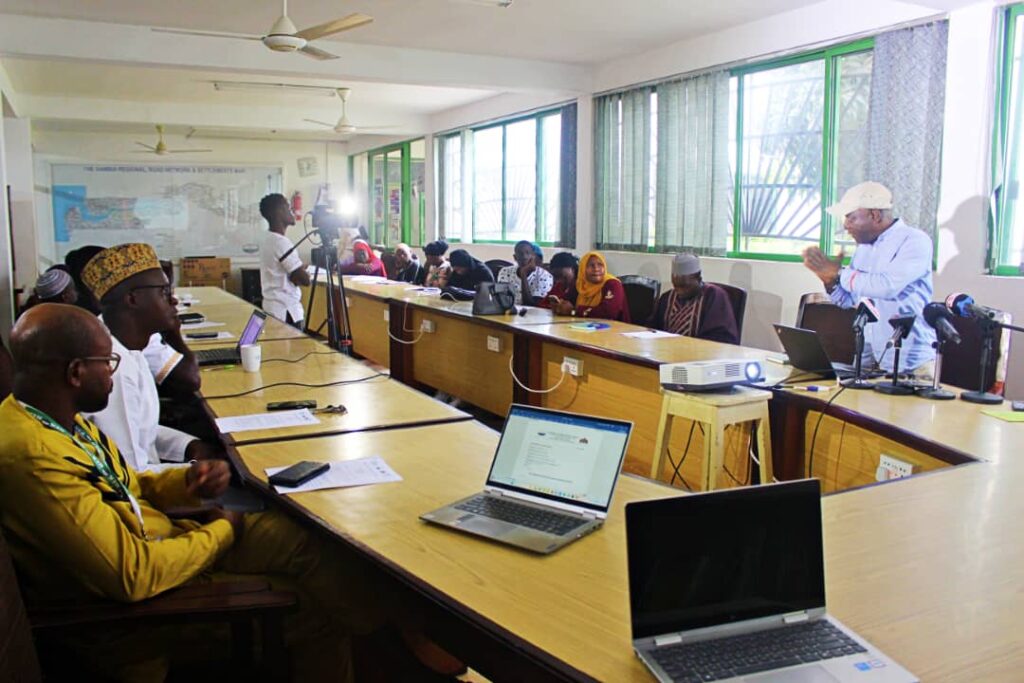
Speaking at a media briefing held at the NEA headquarters in Kanifing, senior officials said the CLIMB project aimed to protect over 350,000 people through ecosystem-based solutions, sustainable infrastructure and stronger urban planning.
“This project is designed to tackle the challenges we face today floods, sea level rise and heatwaves by combining policy improvements, nature-based solutions and community engagement,” said Omar Ceesay, NEA’s Director of Technical Services.
The Greater Banjul Area, which remains the country’s urban and economic hub, has been hit hard in recent years by heavier rains, poor drainage and rapid expansion into flood-prone areas. Officials said last year’s floods affected nearly 50,000 people.
Under the new project, NEA and partners will work on four key areas: strengthening climate-smart urban planning, restoring critical ecosystems, boosting sustainable finance for adaptation, and sharing knowledge to help communities better respond to climate threats.
Planned activities include the restoration of mangroves and marshes, climate-smart urban farming, improved drainage, and community-led urban resilience committees. The project will be implemented over six years (72 months) and will also align with existing initiatives such as the World Bank’s West Africa Coastal Areas Management Program (WACA).
Professor Genesis, the Chief Technical Advisor to the GEF project, told journalists the CLIMB project would build on lessons learned from past interventions and focus on practical actions that bring both immediate and long-term benefits. Stakeholders are expected to meet again in coming months as work begins to shape the final design of the project and roll out activities in the Greater Banjul Area.
The NEA stressed that collaboration with local councils, civil society and the private sector will be key to the project’s success.